Afterthought - Nexus between Land and Housing
Helen Vale reflects on ancestral land rights, land distribution, and the link between land and housing.
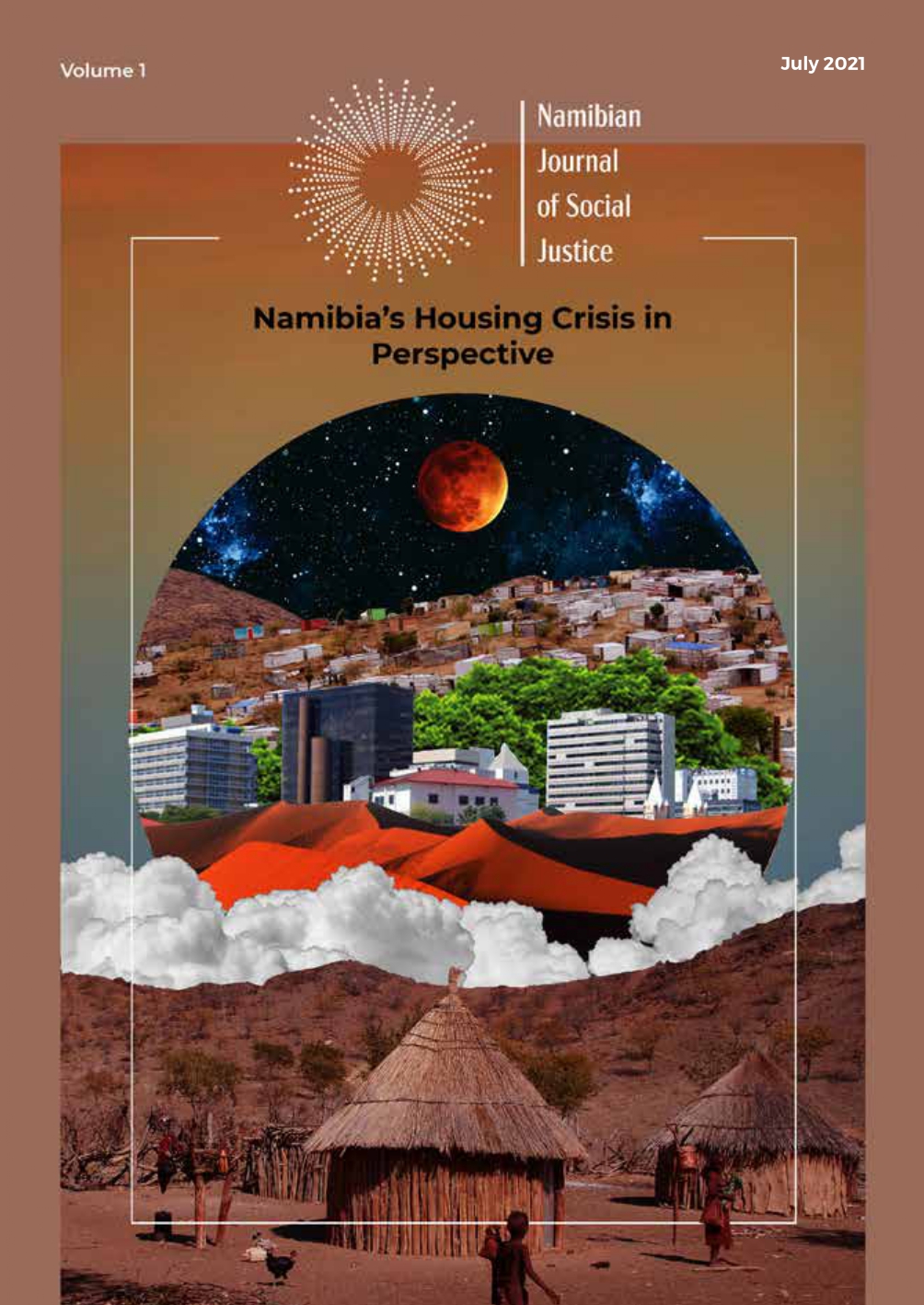
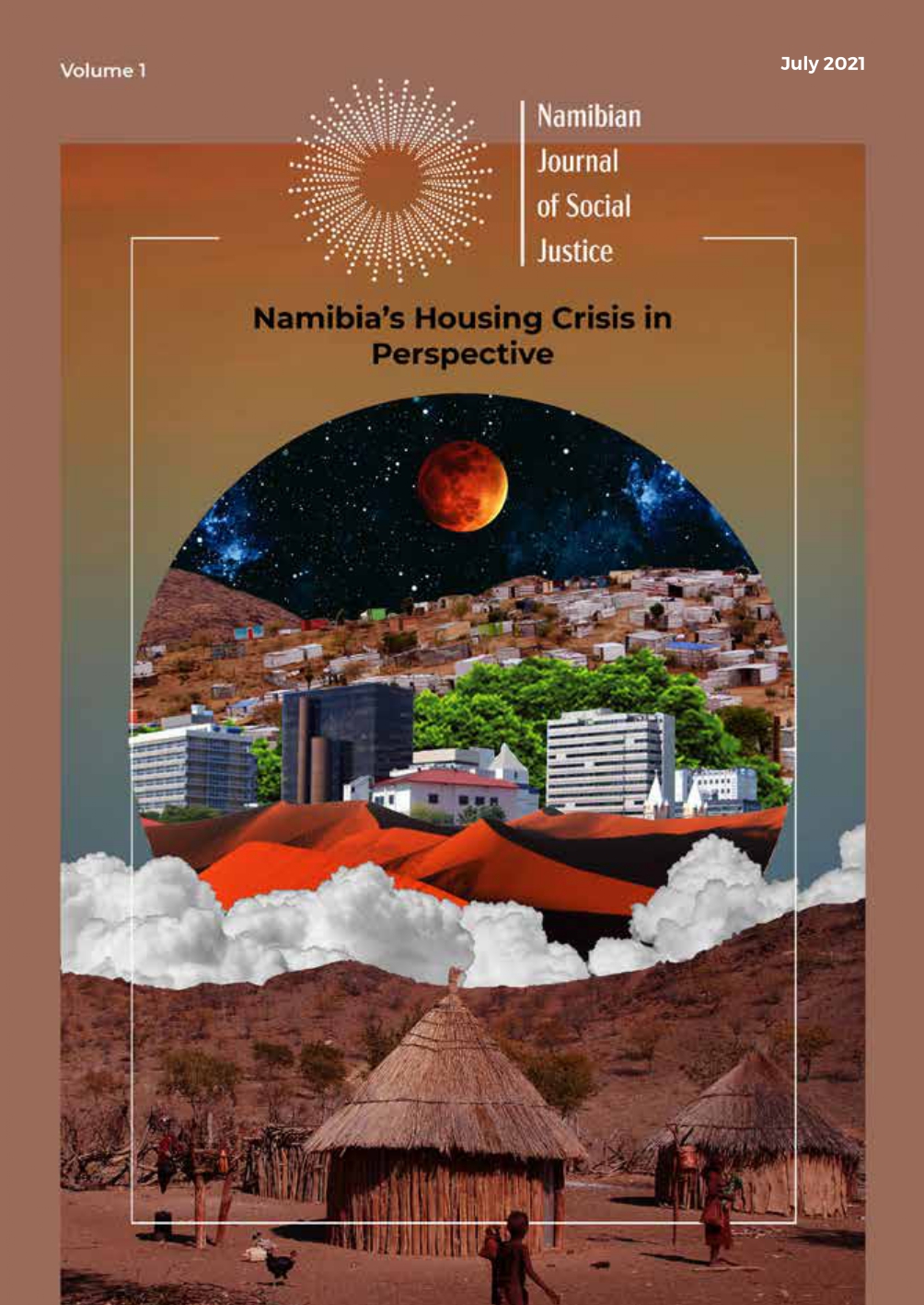
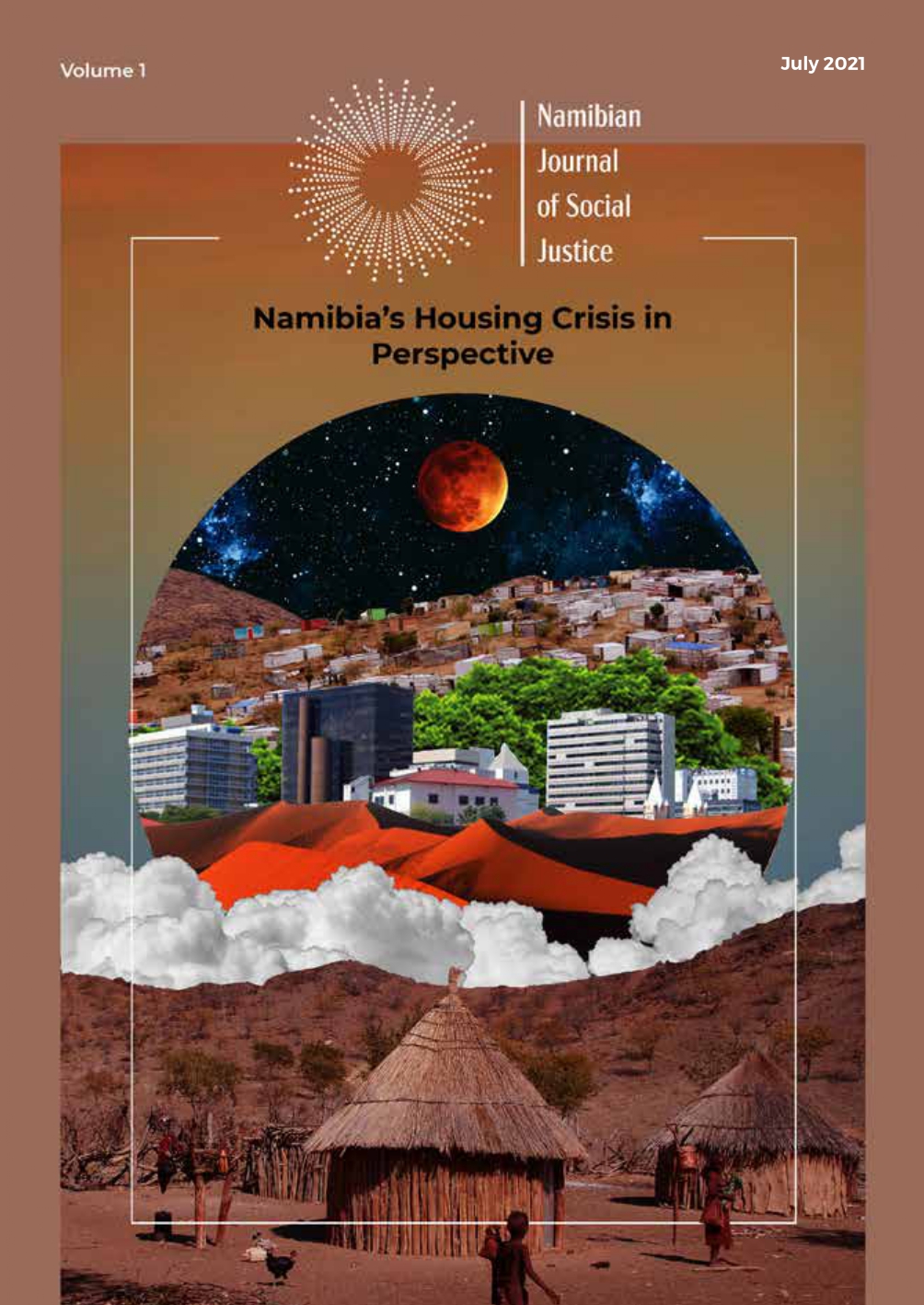
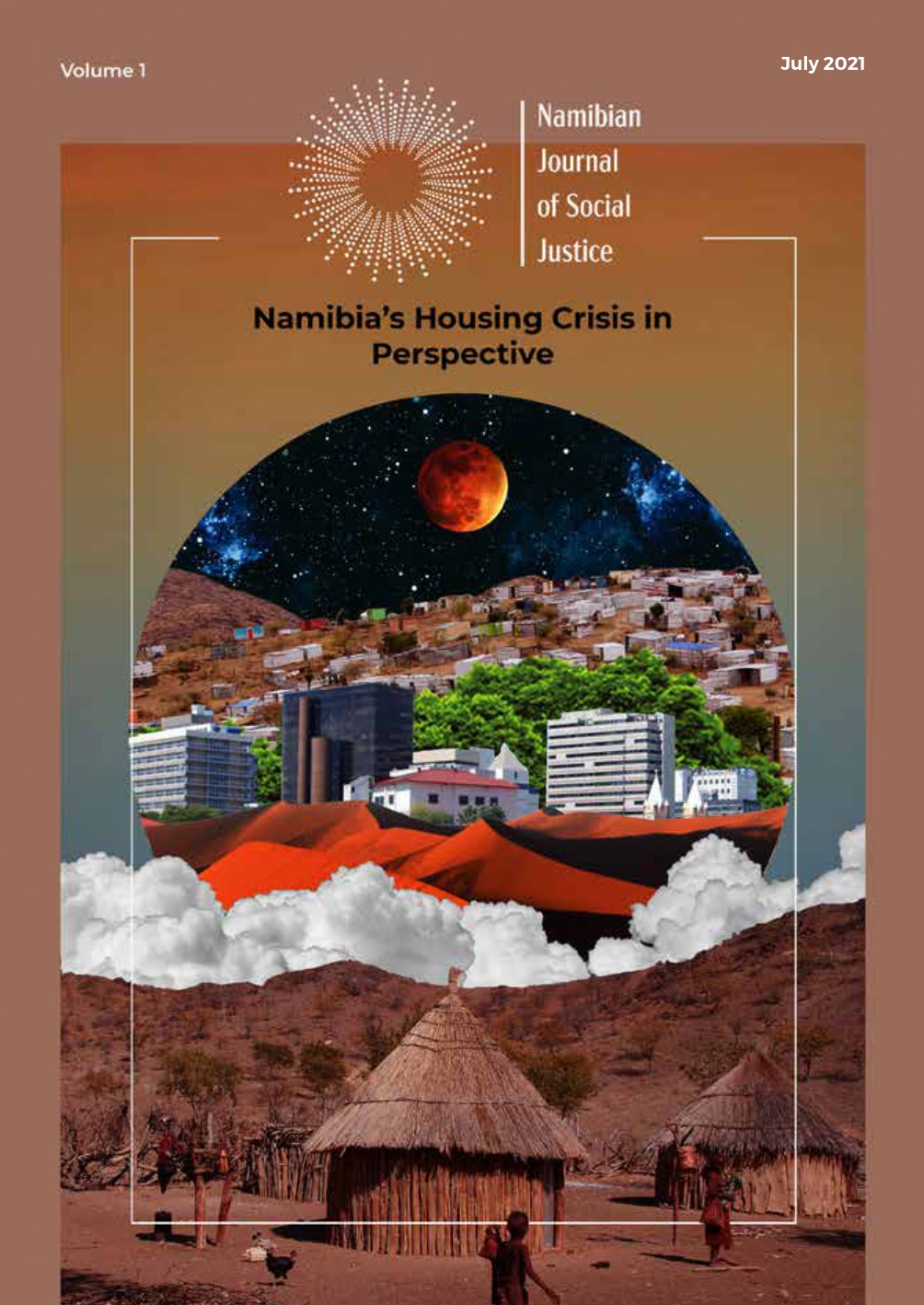
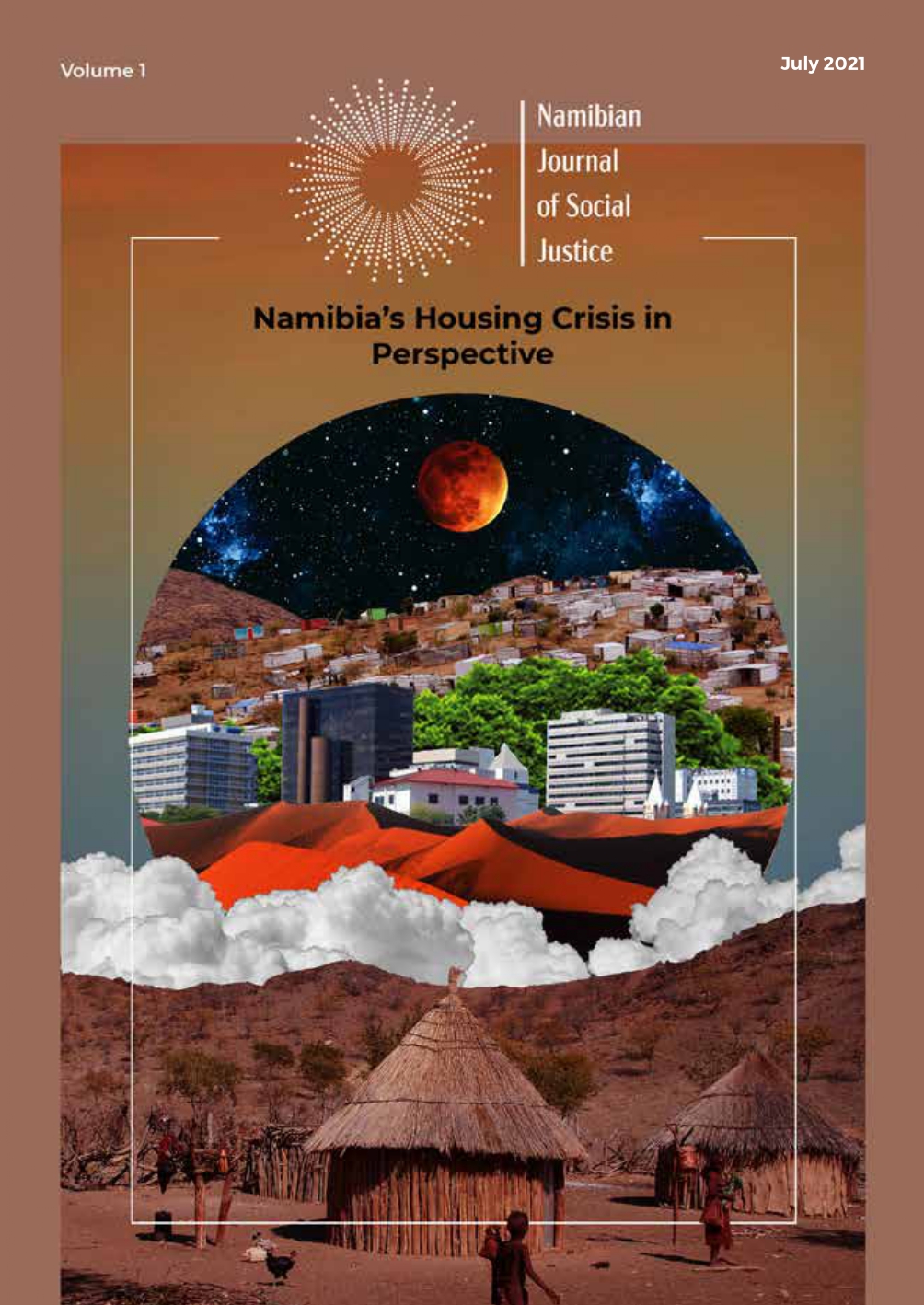
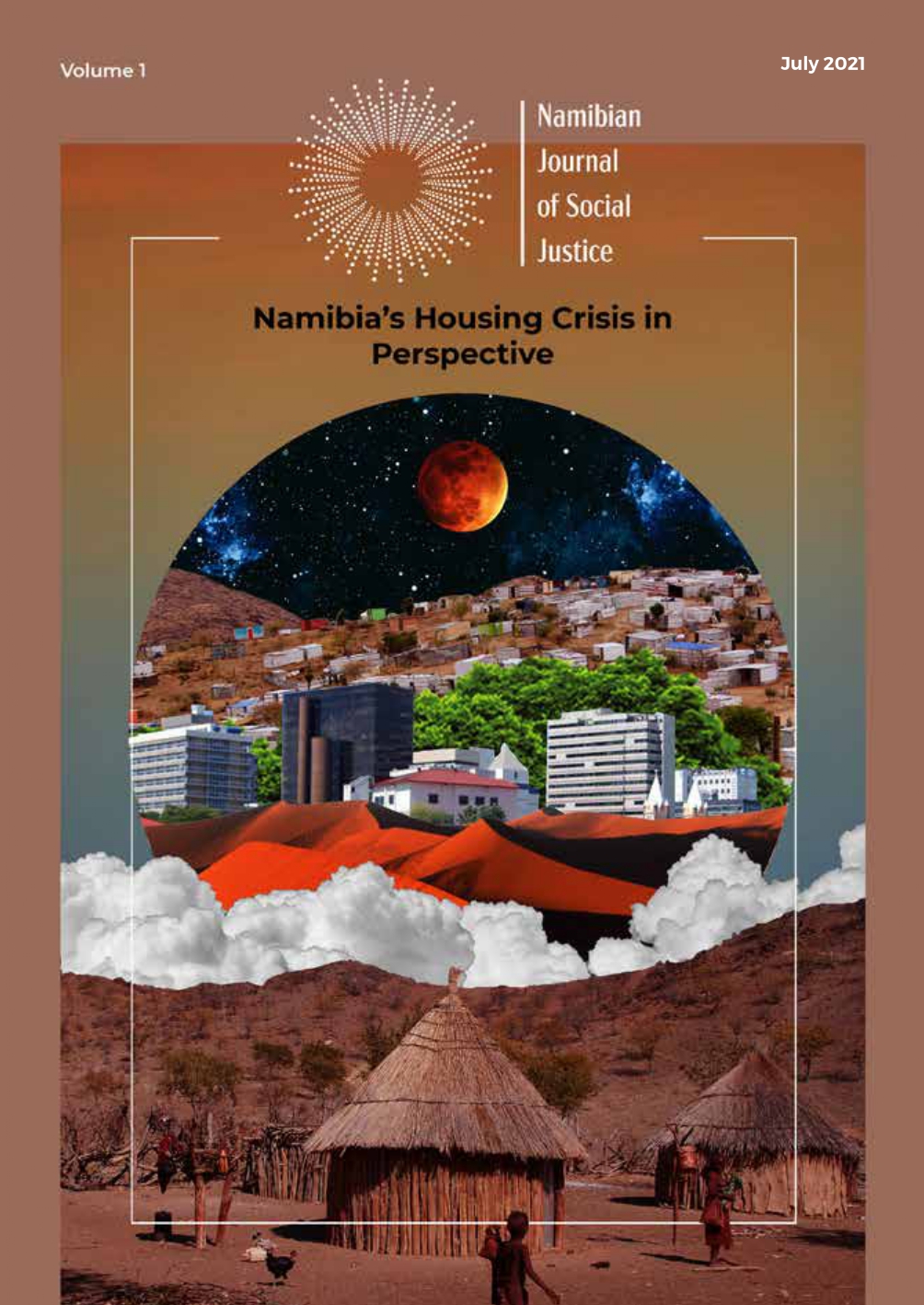
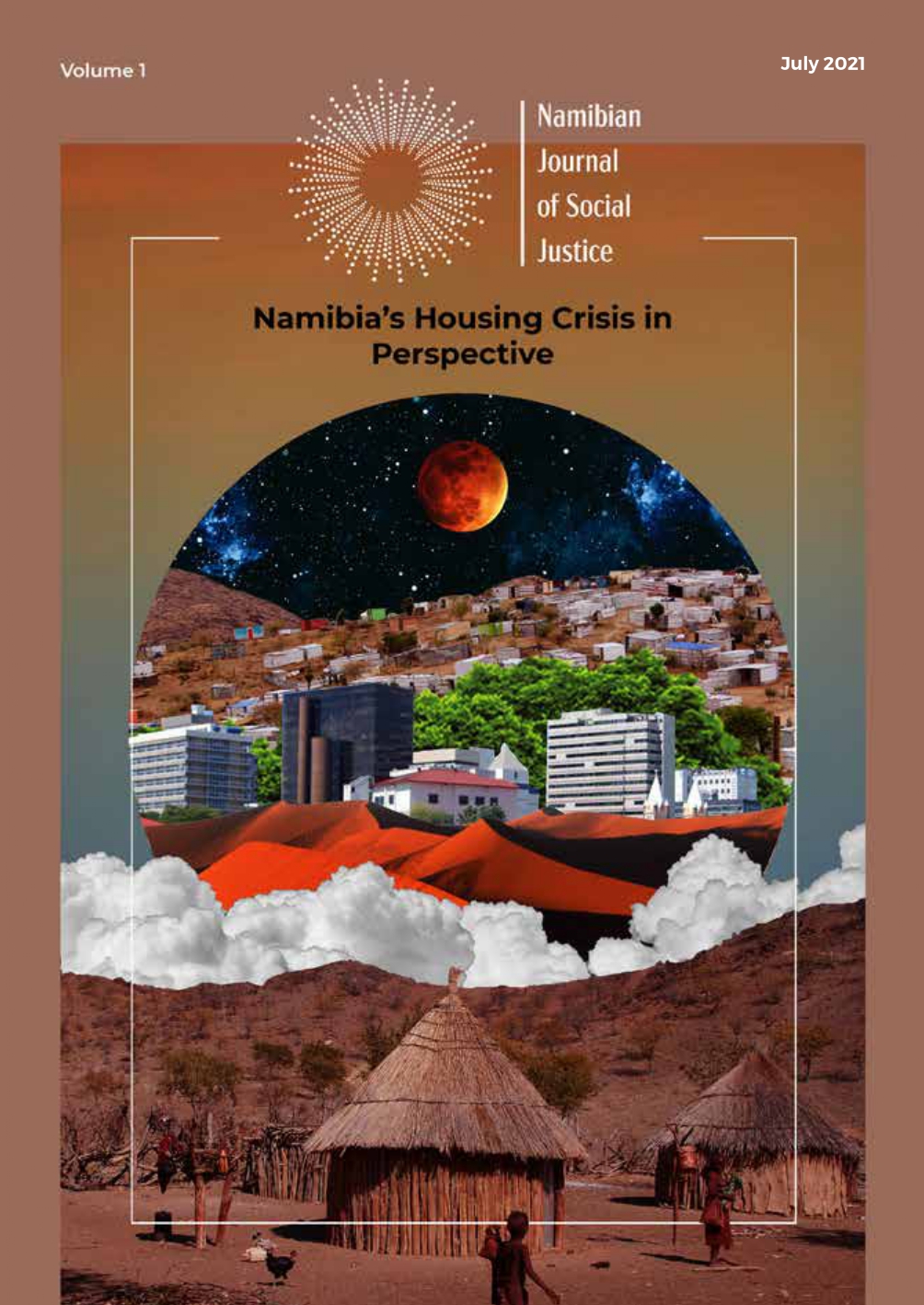
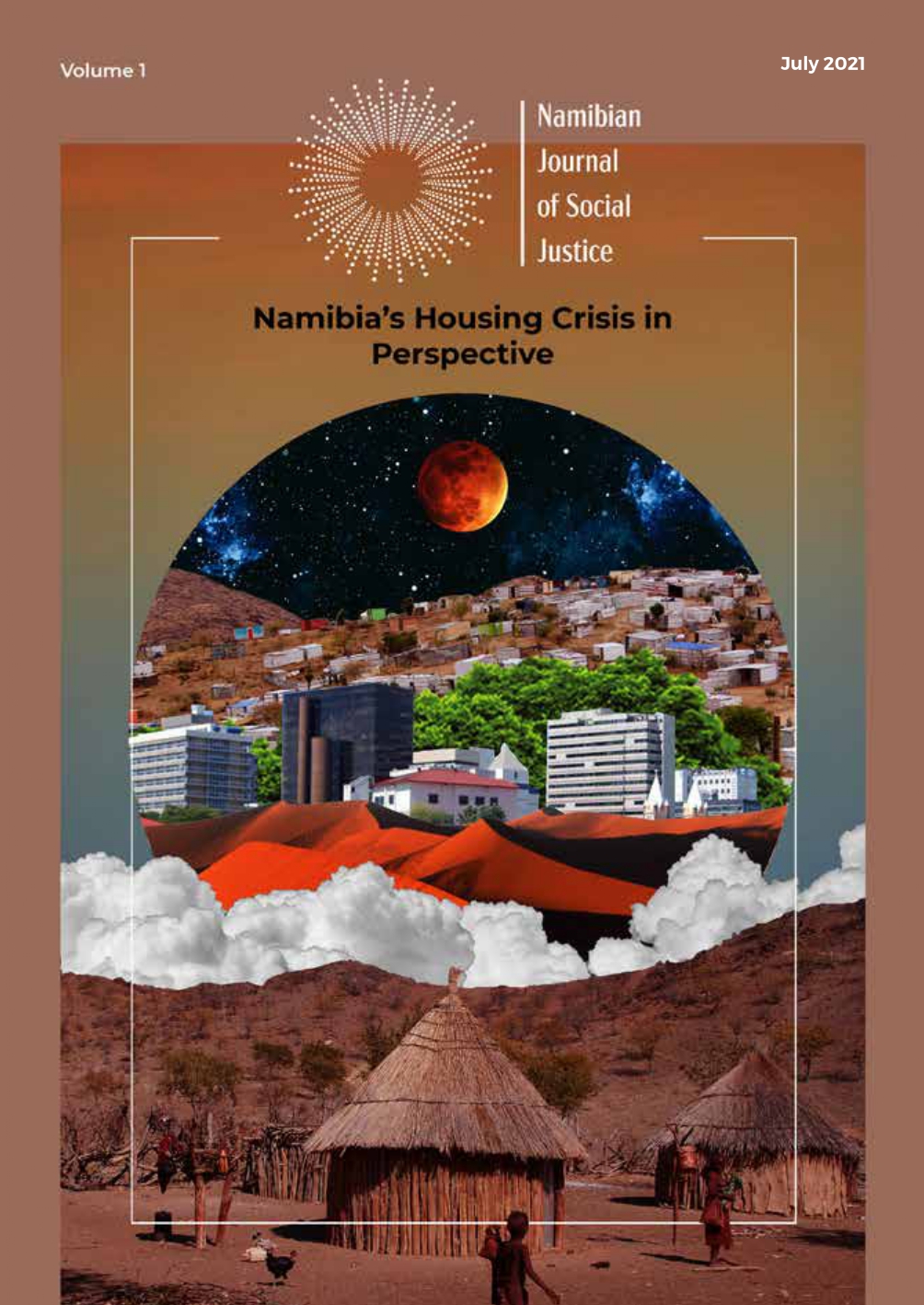
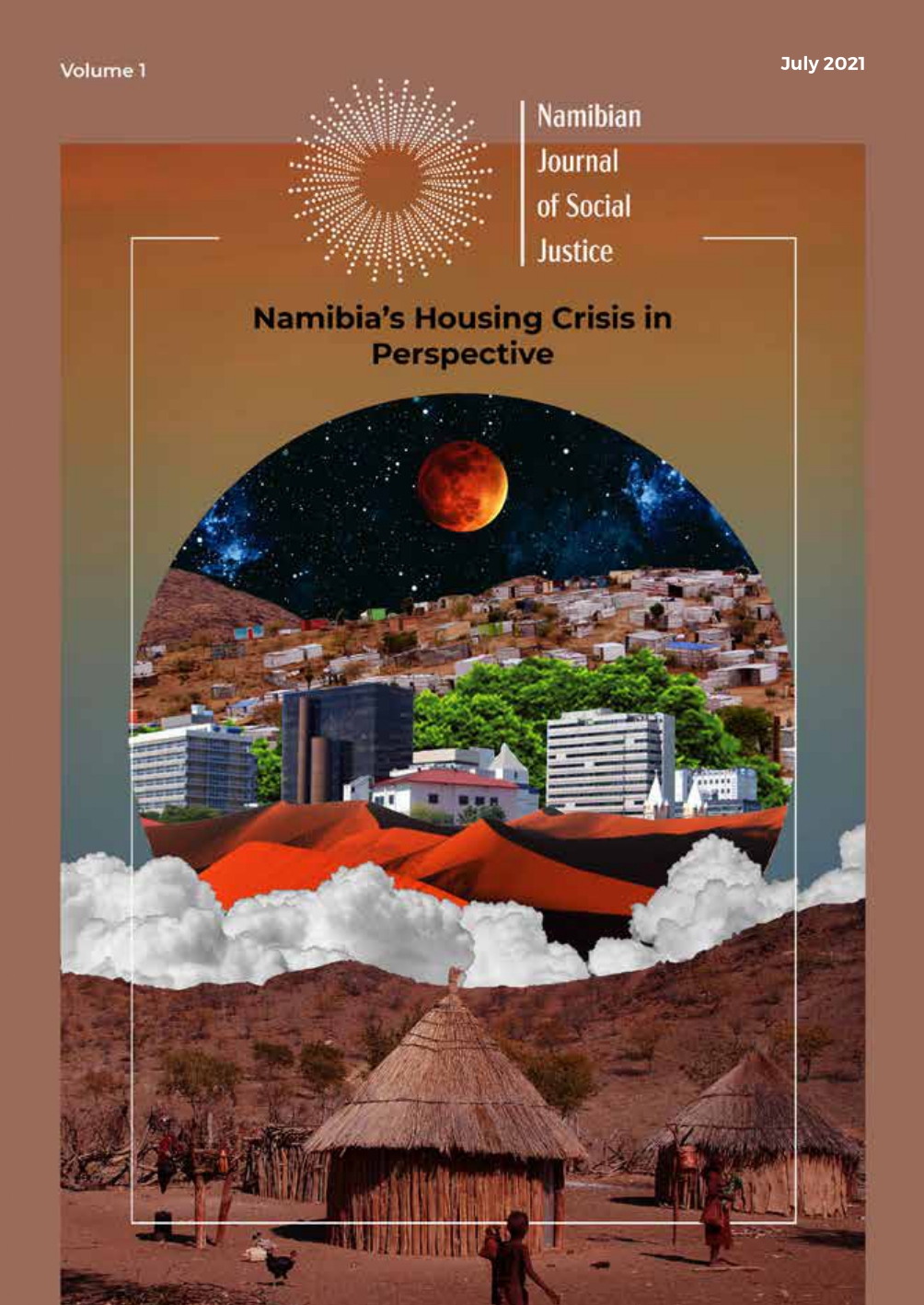
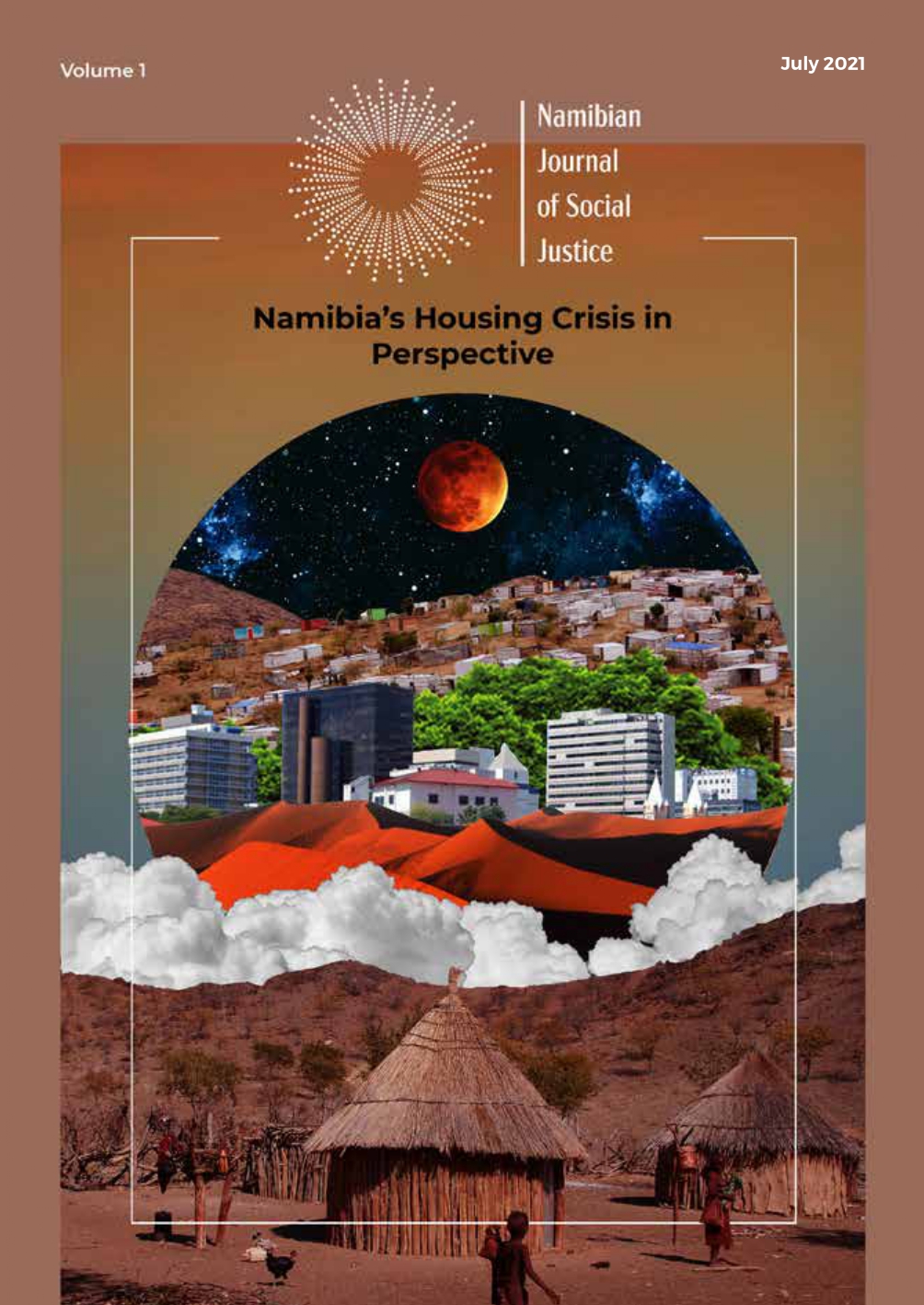
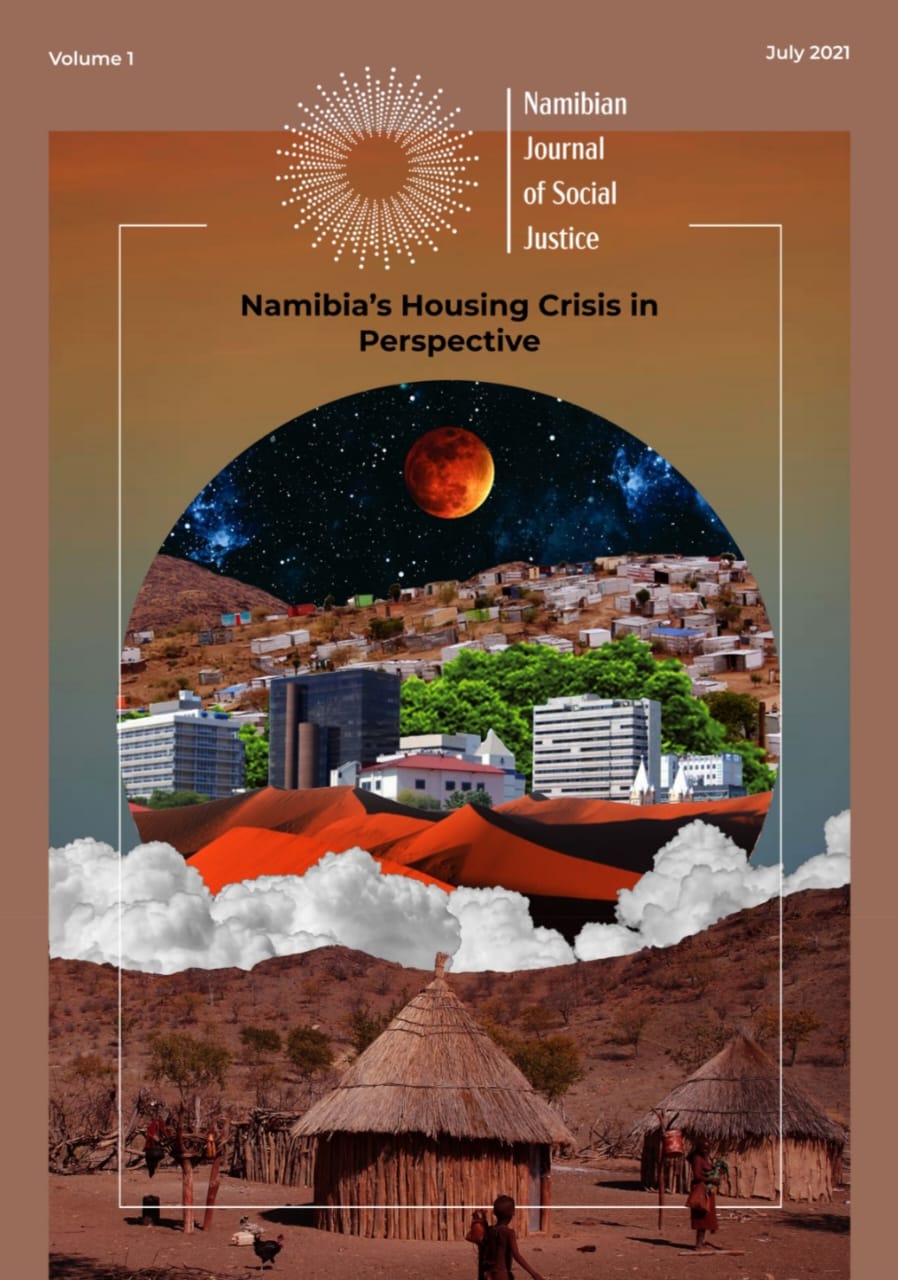
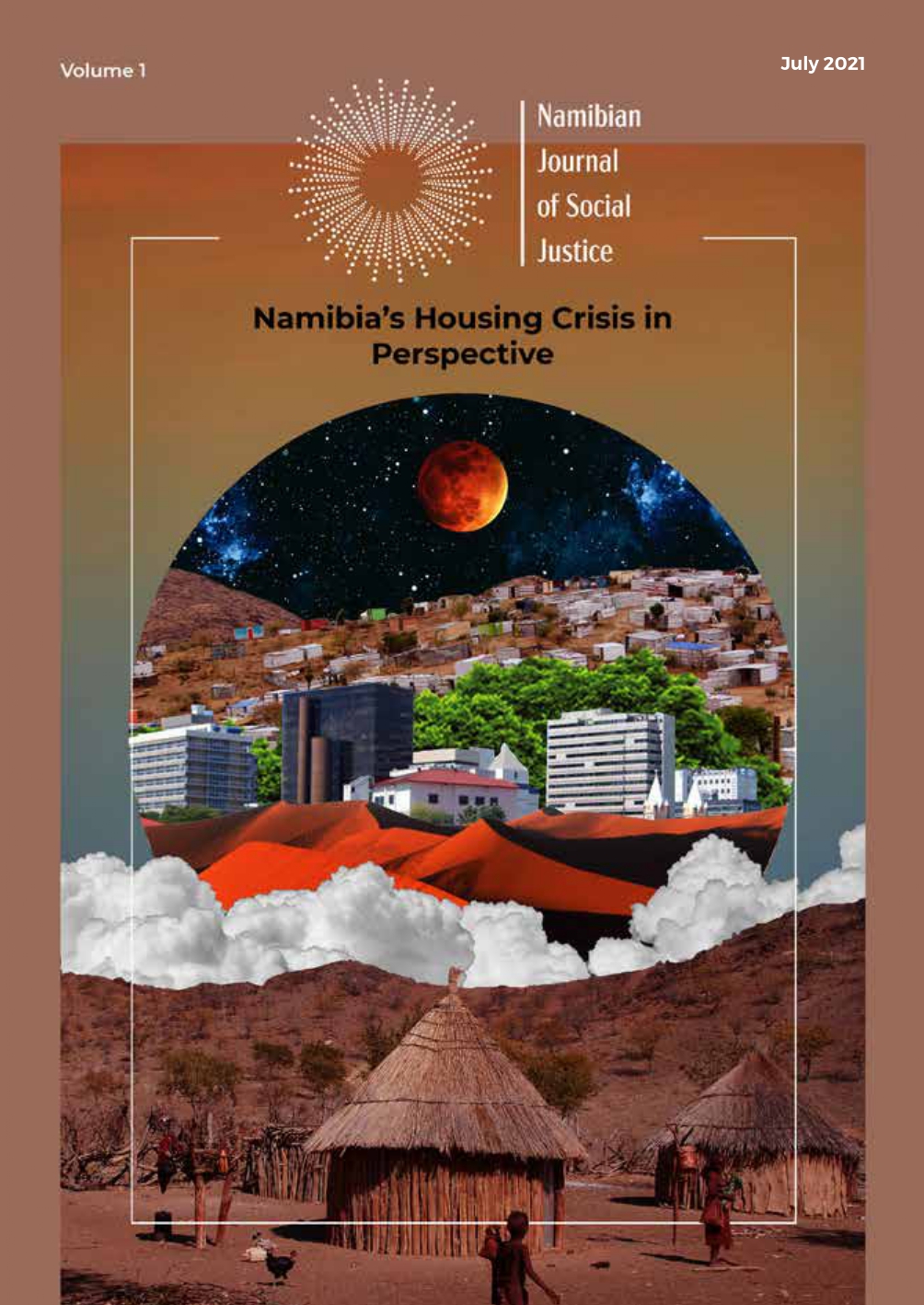
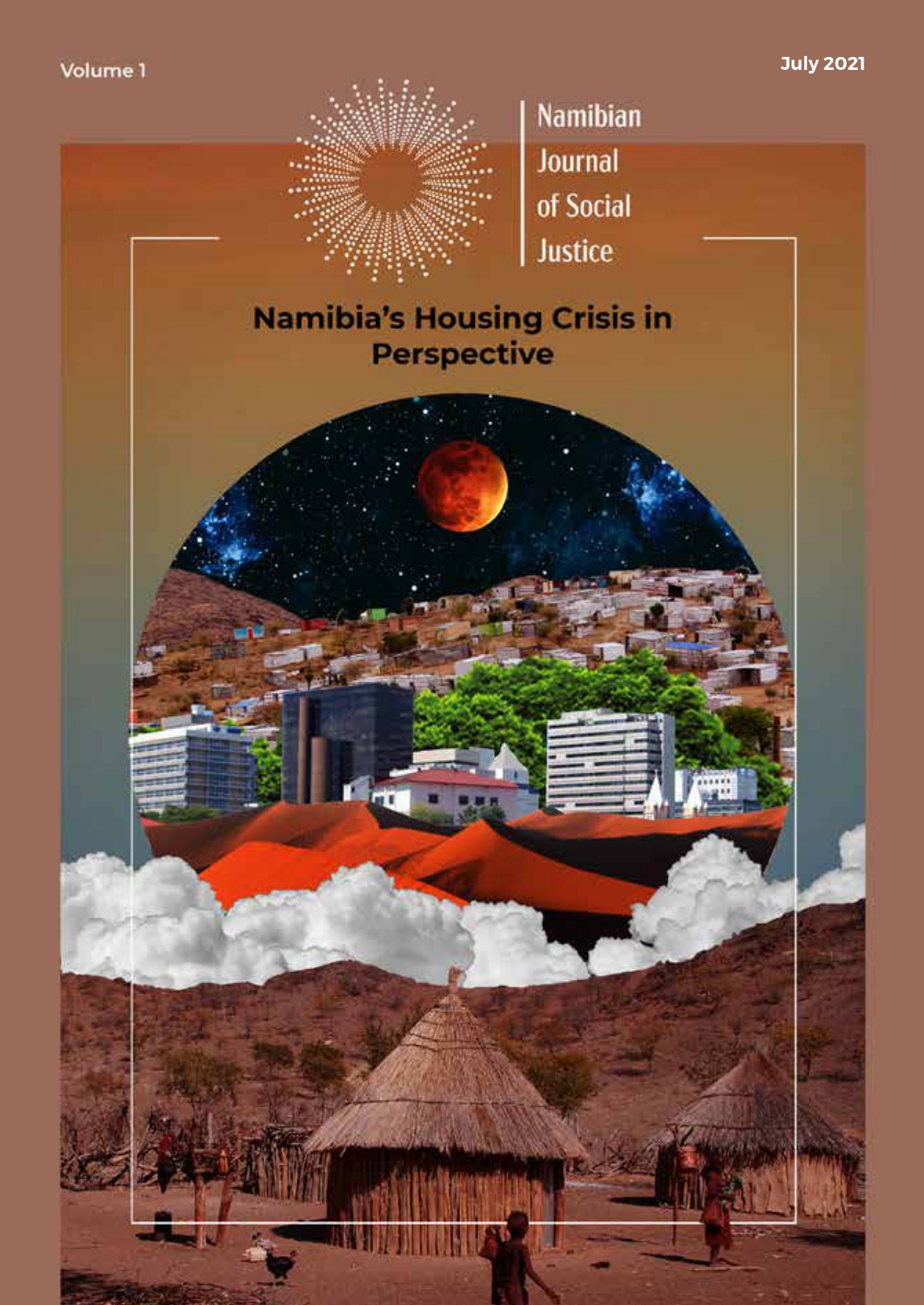
The Namibian Housing Crisis in Perspective
Welcome to the first edition of the Namibian Journal of Social Justice (NJSJ). We are proud to present this new journal and hope it will make a meaningful contribution to the debates on social and economic justice in Namibia. The background and motivation for this journal is the fact that Namibia continues to be one of the world’s most unequal nations caused, firstly, by colonialism and then by the neoliberal policies of the postcolonial State. The elite transition in post-colonial Namibia reflects what occurred throughout Africa. Local elites joined global elites to produce and reproduce intellectuals who seek to justify, rationalise, and normalise the neo-colonial order at the core of the current inequalities. Such neoliberal intellectuals dominate the intellectual space inside the state, academia and civil society. They form an elite compact to maintain their hegemony and the neoliberal order. To achieve social justice there is an urgent need to offer counter-hegemonic thinking. This responsibility lies with leftist thinkers to develop alternative ideas and practices that will lead to significant improvements in the lives of those negatively impacted by poverty and inequality. Leftist intellectuals and social justice activists must create alternative spaces to contest the neoliberal dogma. The Namibian Journal of Social Justice (NJSJ) serves as a space from which mainstream ideas that underpin the neoliberal order can be contested.The NJSJ is as an intellectual platform for social justice academics who want to critically question that order and search for alternatives. Its ideological grounding is unapologetically left of the neoliberal intellectual spectrum. We hope that the journal will be used as a resource by academics, teachers, students, workers, youth activists, policy makers and others who are willing to engage in the struggle for social justice in Namibia.
Helen Vale reflects on ancestral land rights, land distribution, and the link between land and housing.
A visual and spatial reflection on #ShutItAllDownNamibia protest, performance, public life, and praxis.
Heike Becker examines youth protest, gender-based violence, colonial legacies, and public activism in Namibia.
Toivo Ndjebela discusses informal settlements, policy contradictions, and Namibia’s housing conundrum.
Shaun Whittaker, Harry Boesak, and Mitchell Van Wyk reflect on social housing and Namibia’s housing backlog.
Albius Mwiya presents an international case study on housing provision for low-income urban residents in Botswana.
Ndeshi Namupala, Emma Nangolo, and Lucy Edwards-Jauch examine gender, urban land, housing, human rights, and gender justice.
Imelda !Hoebes presents a case study of women, housing, and household precarity in Katutura.
Lalli Metsola explores precarity, urban citizenship, land, housing, and basic services in Windhoek.
Ellison Tjirera examines spatial segregation, urbanisation, and housing in Windhoek.
Guillermo Delgado expands the notion of Namibia’s urban housing crisis and explores changing urban politics.
John B. Nakuta examines the right to adequate housing under international human rights law and Namibia’s constitutional framework.
Editorial introduction to the inaugural housing justice edition.