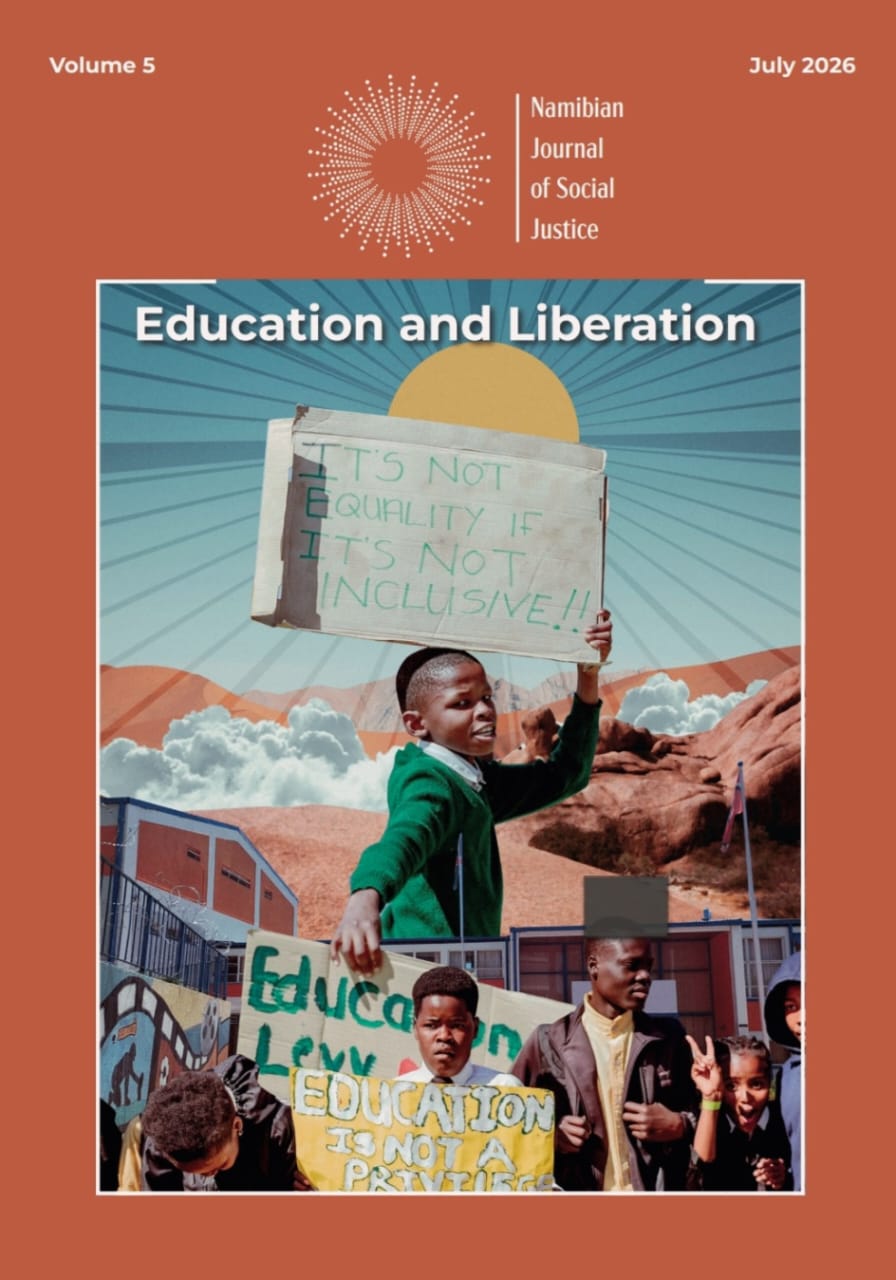
Volume 5: Education (2026)

Education and Liberation

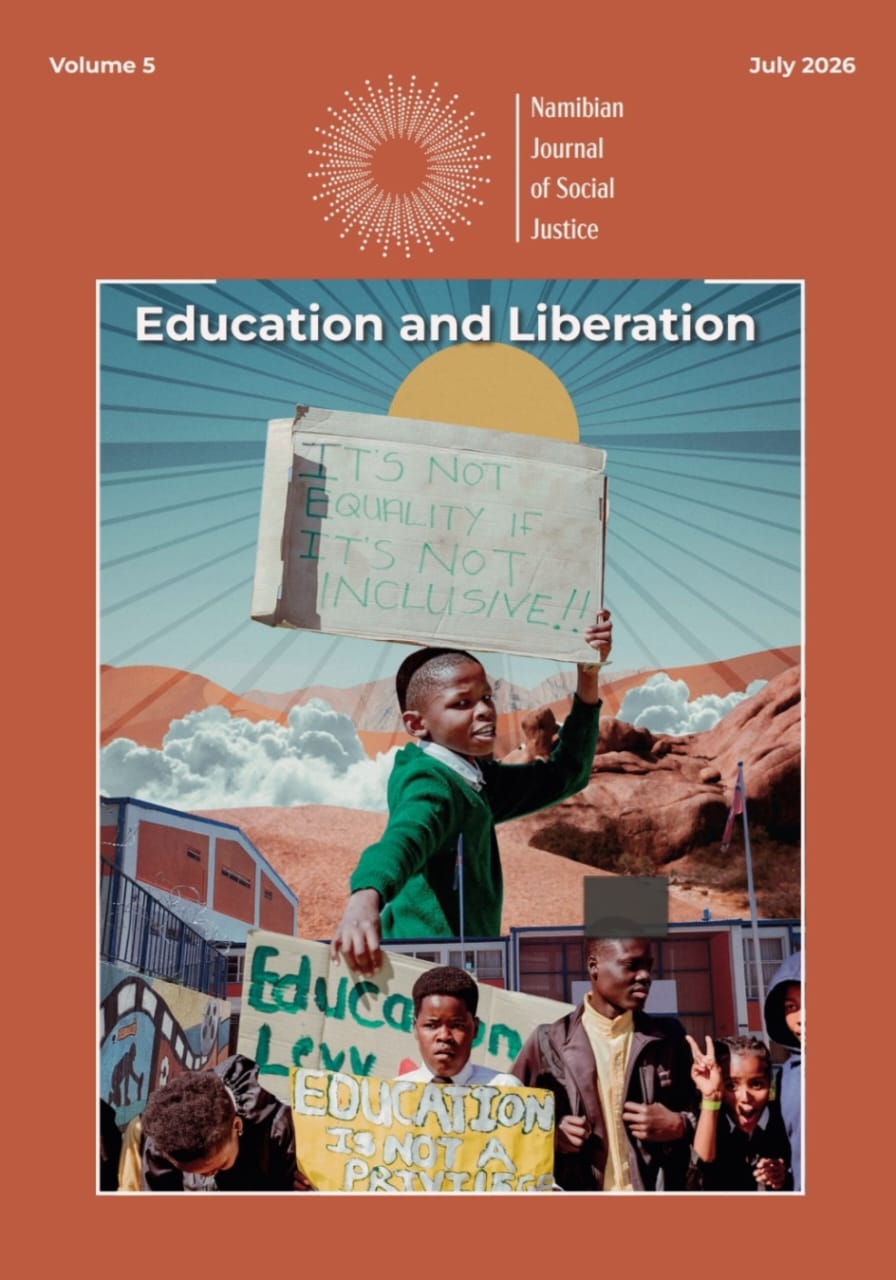
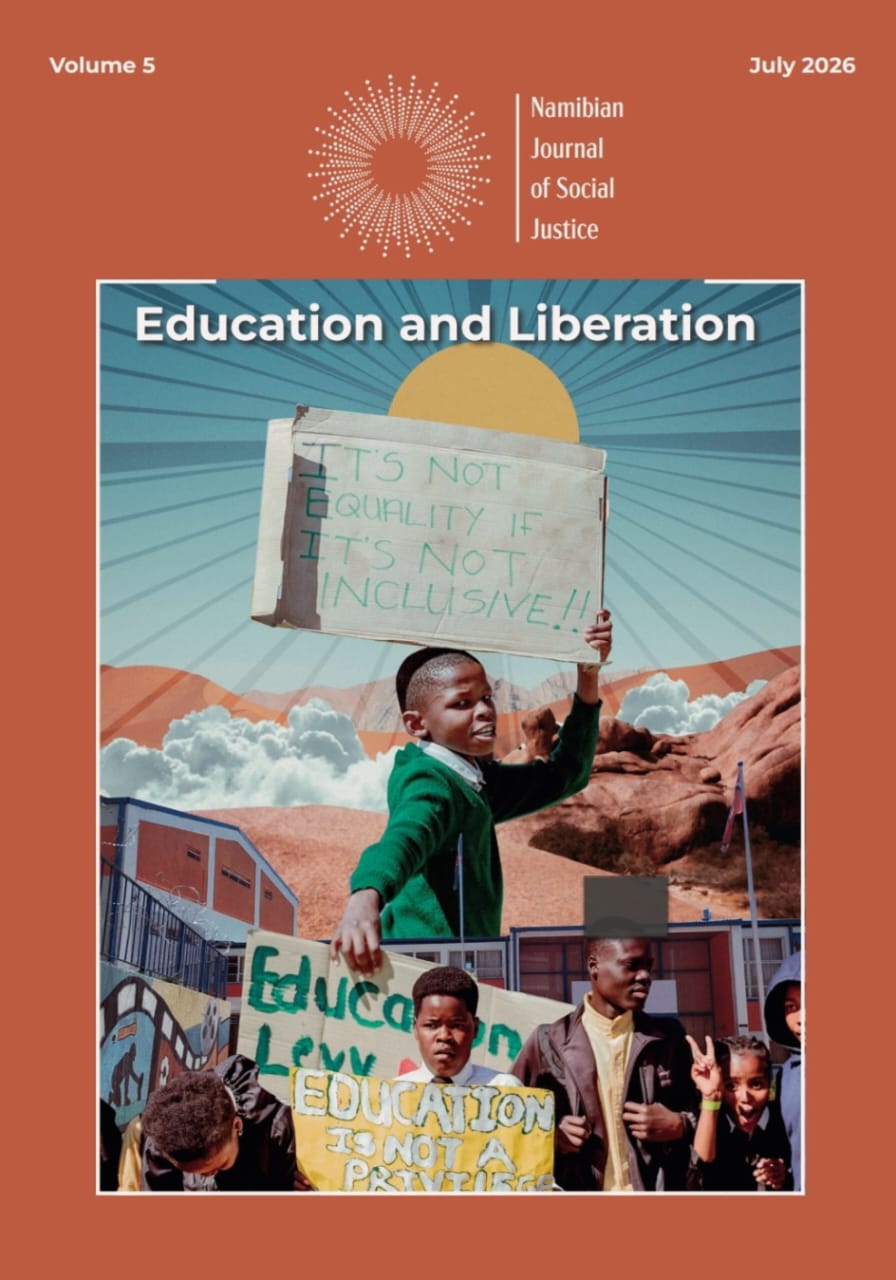
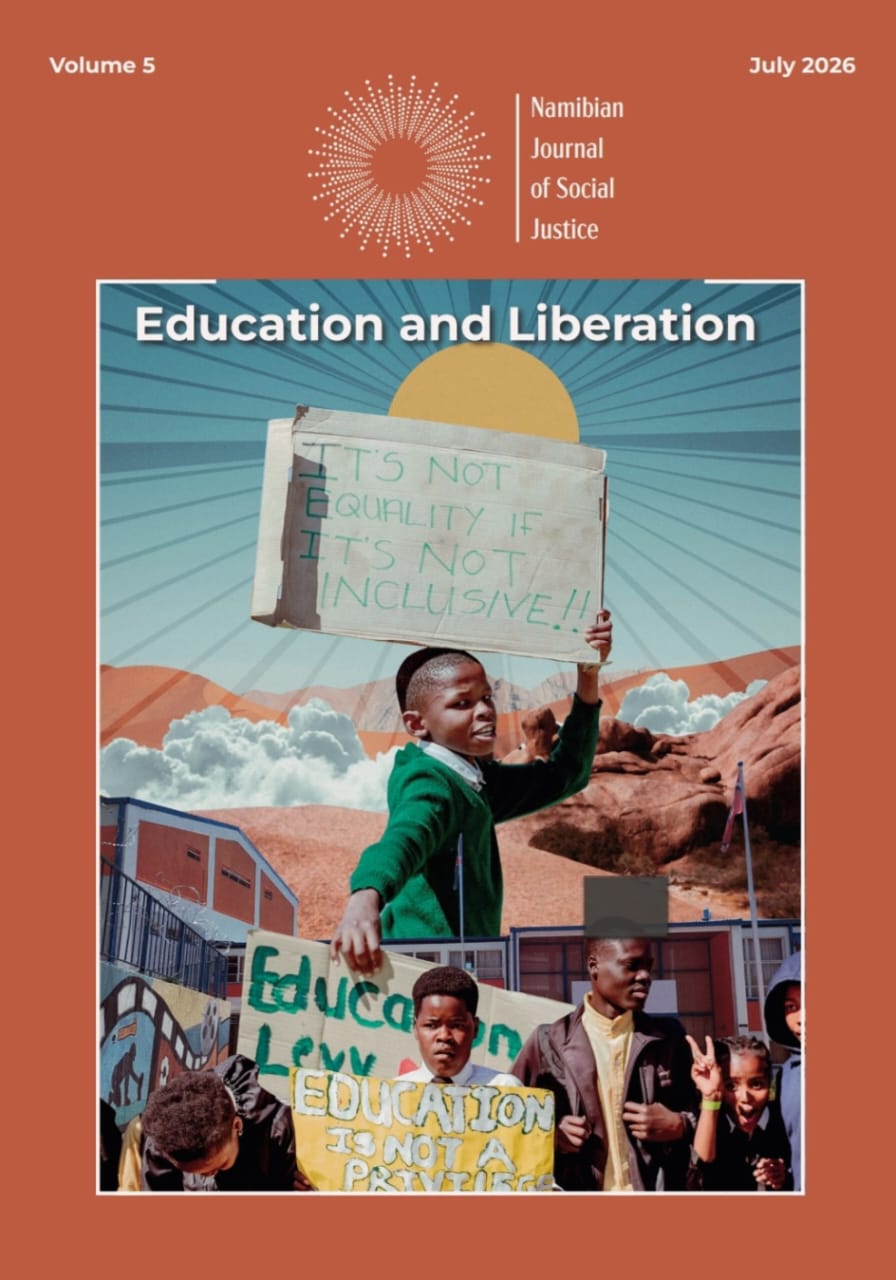
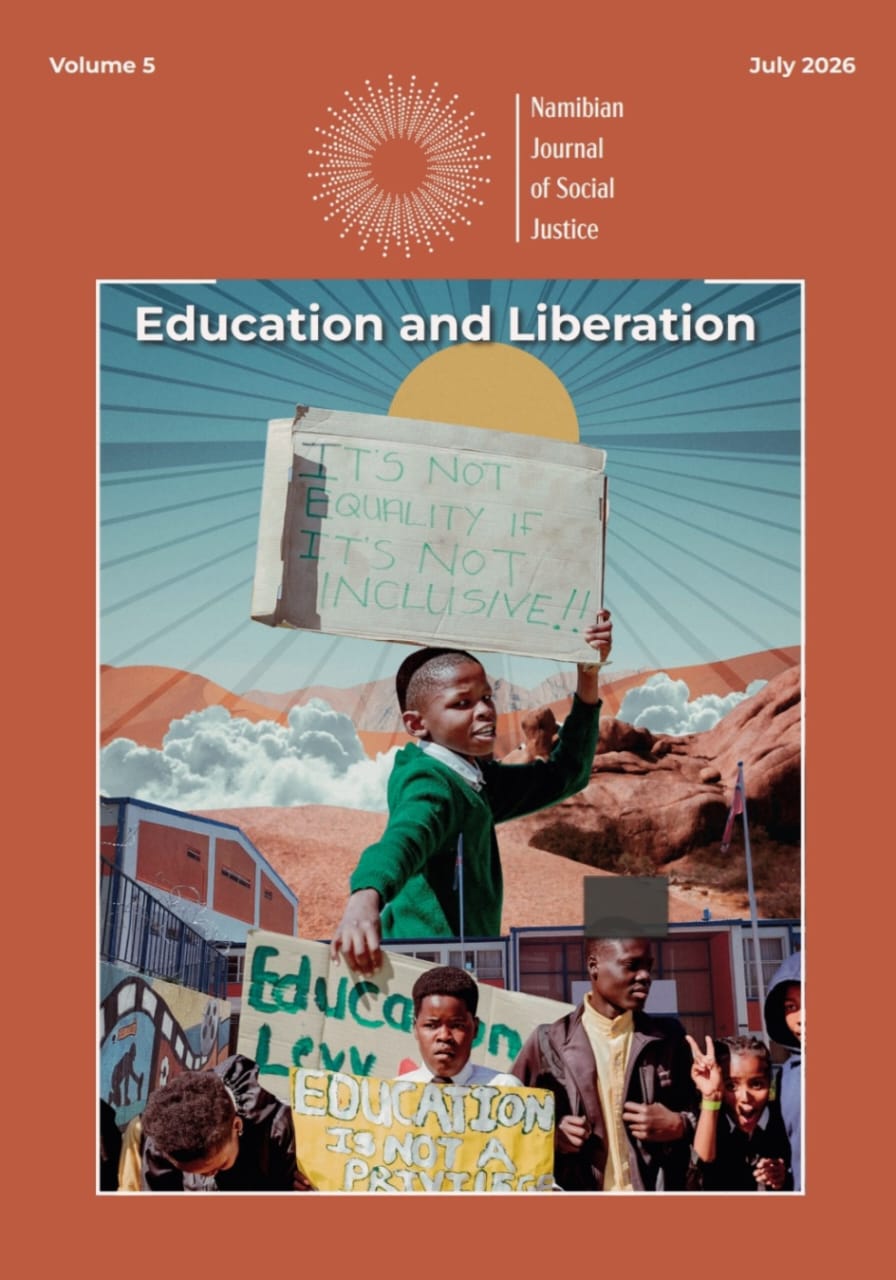
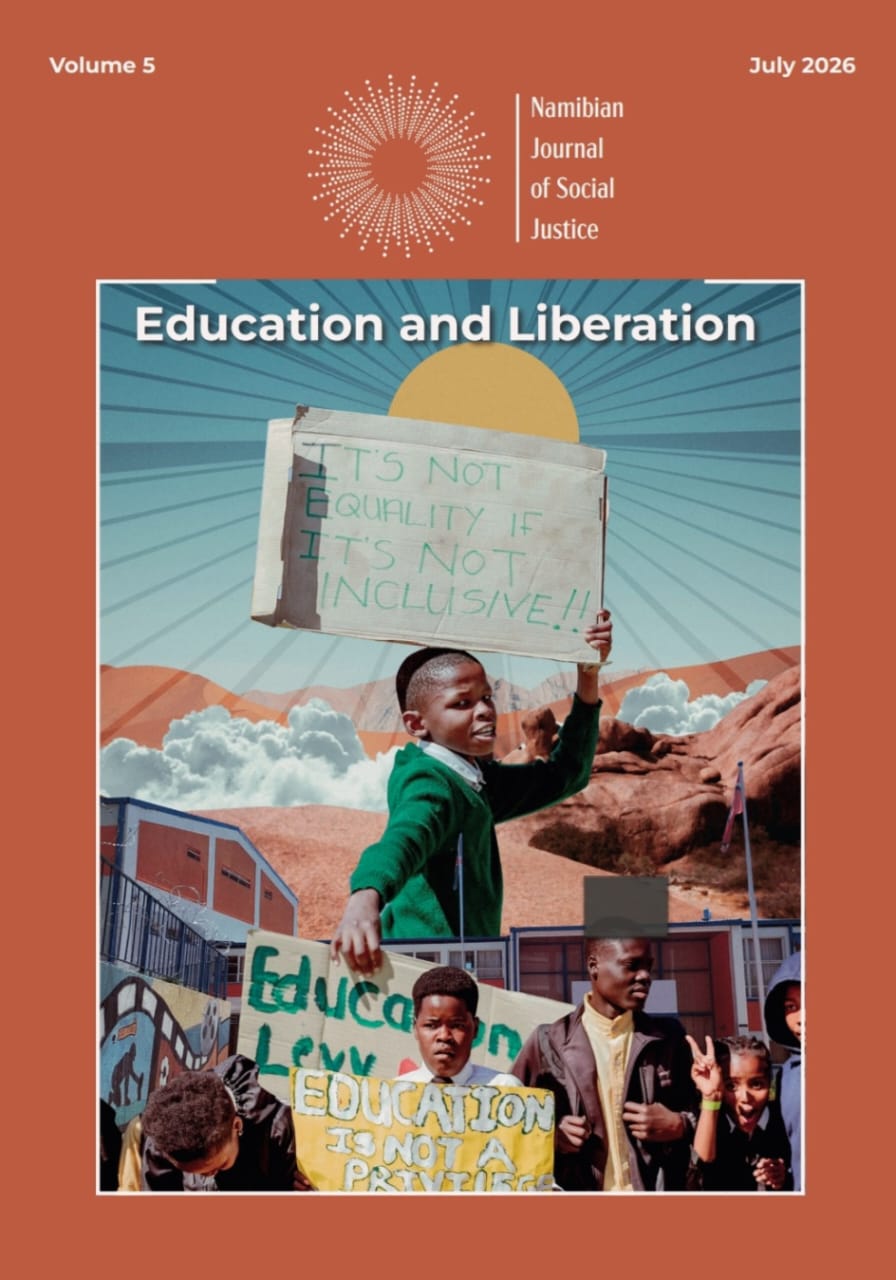
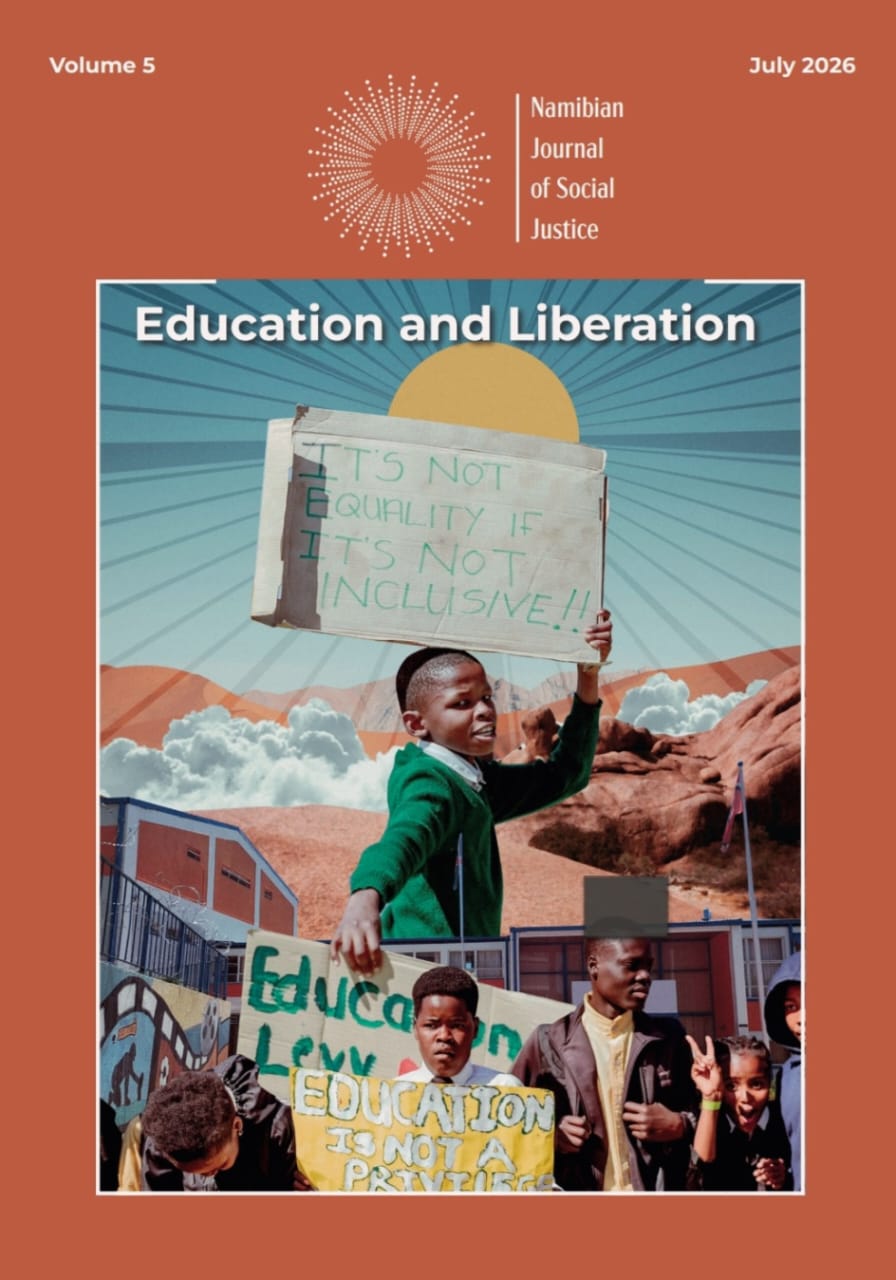
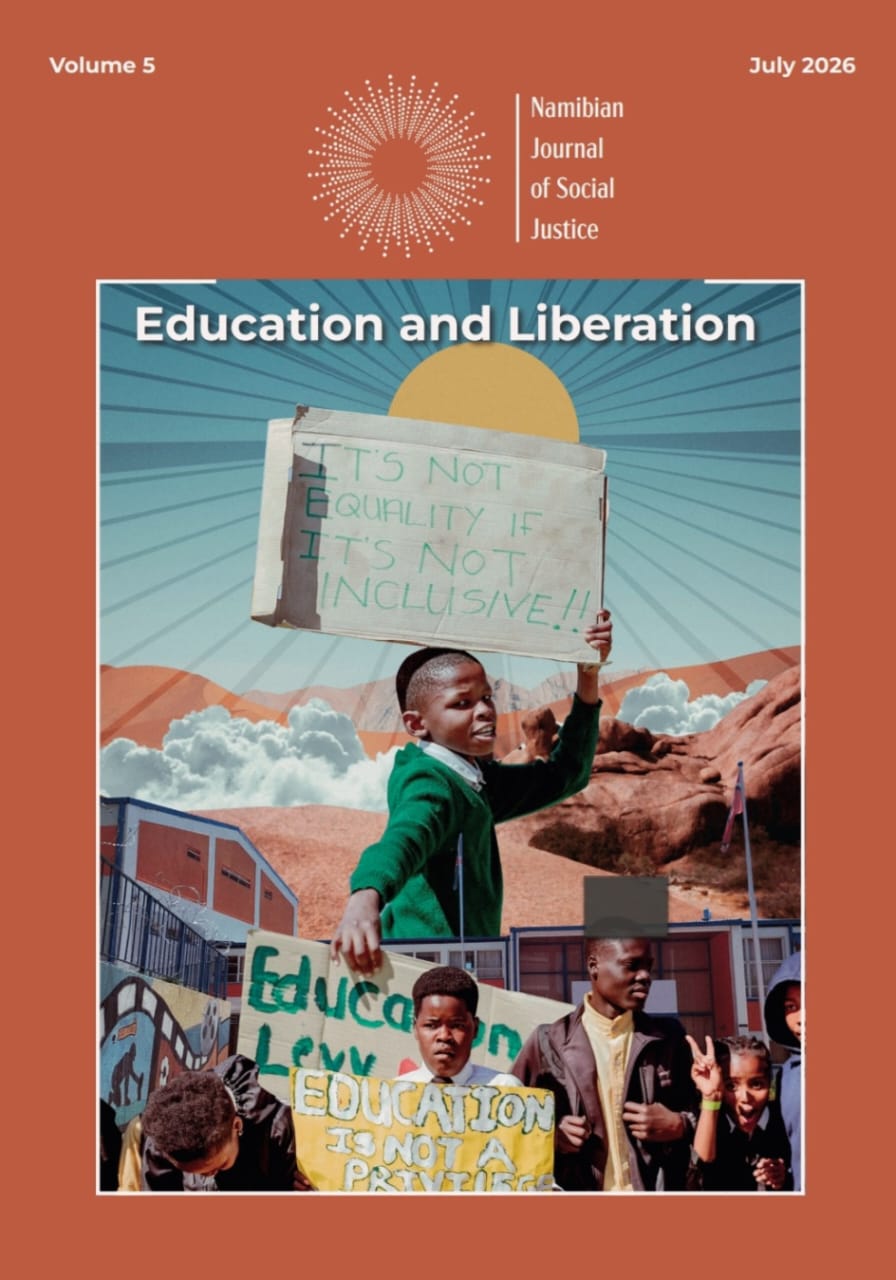
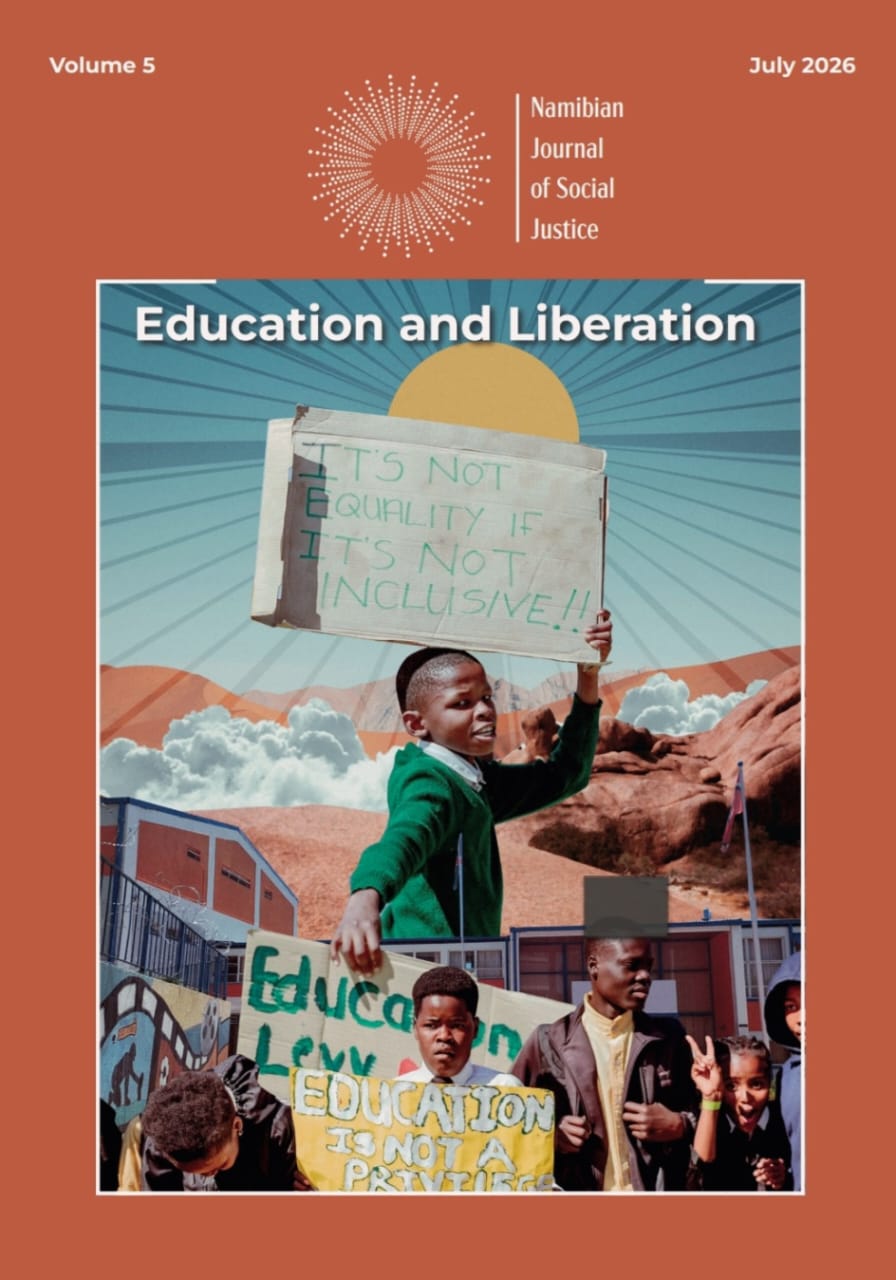
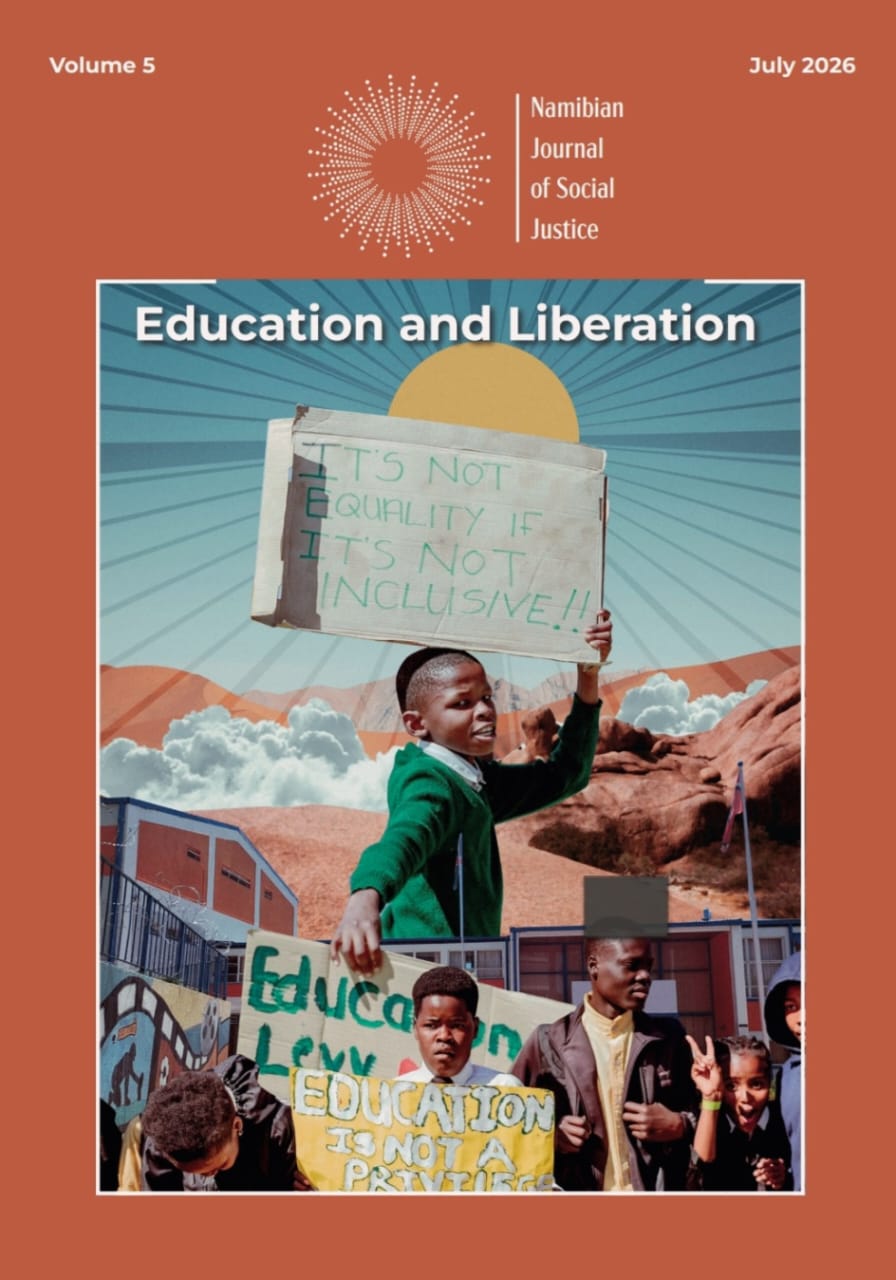
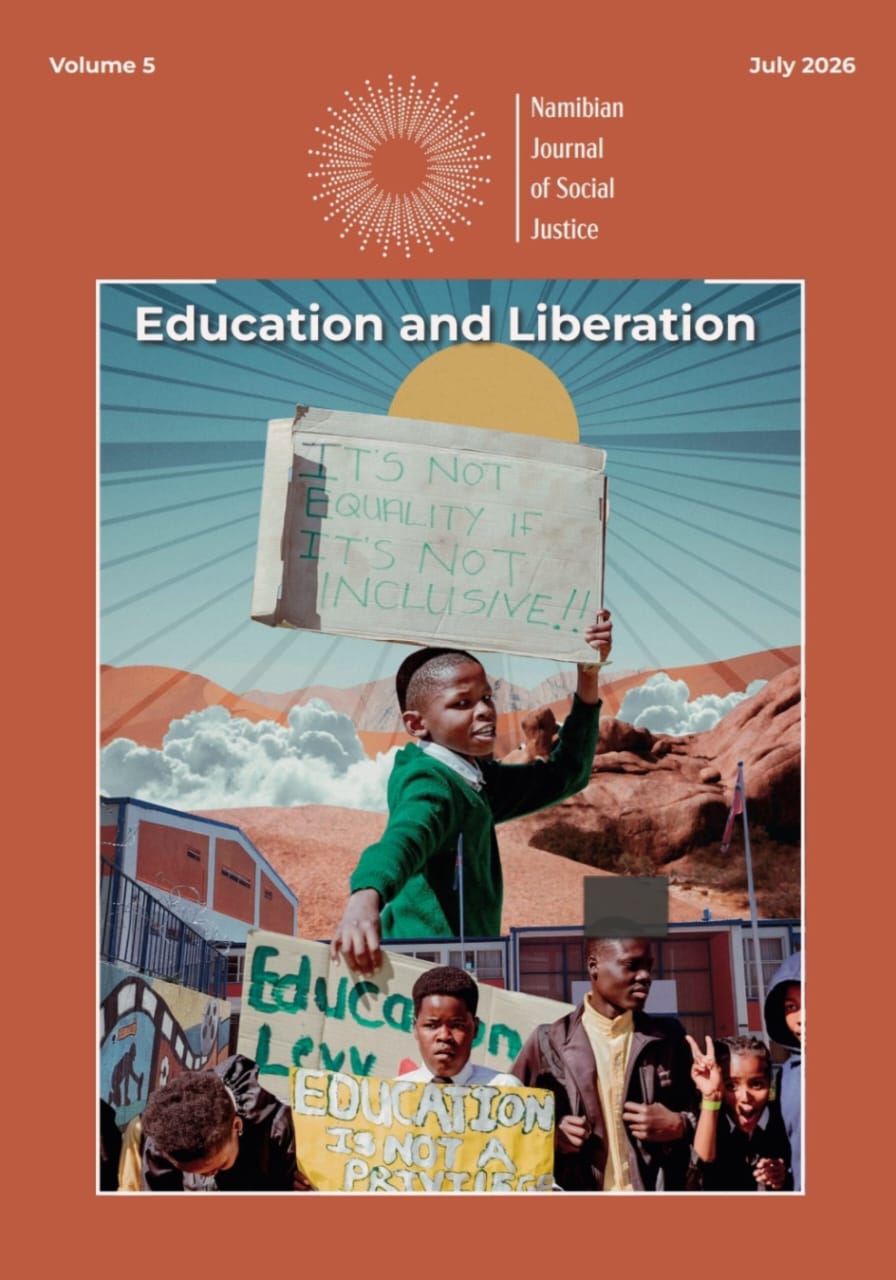
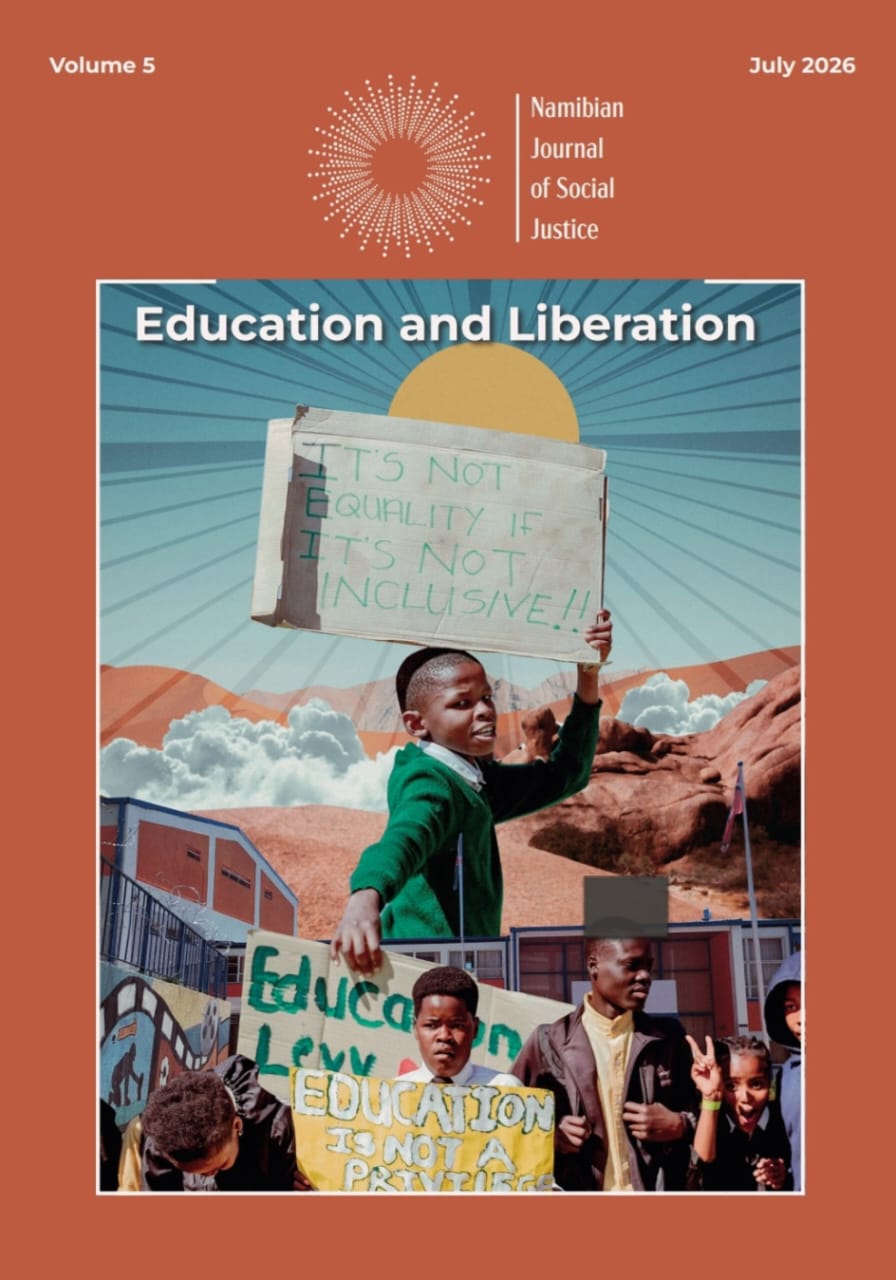
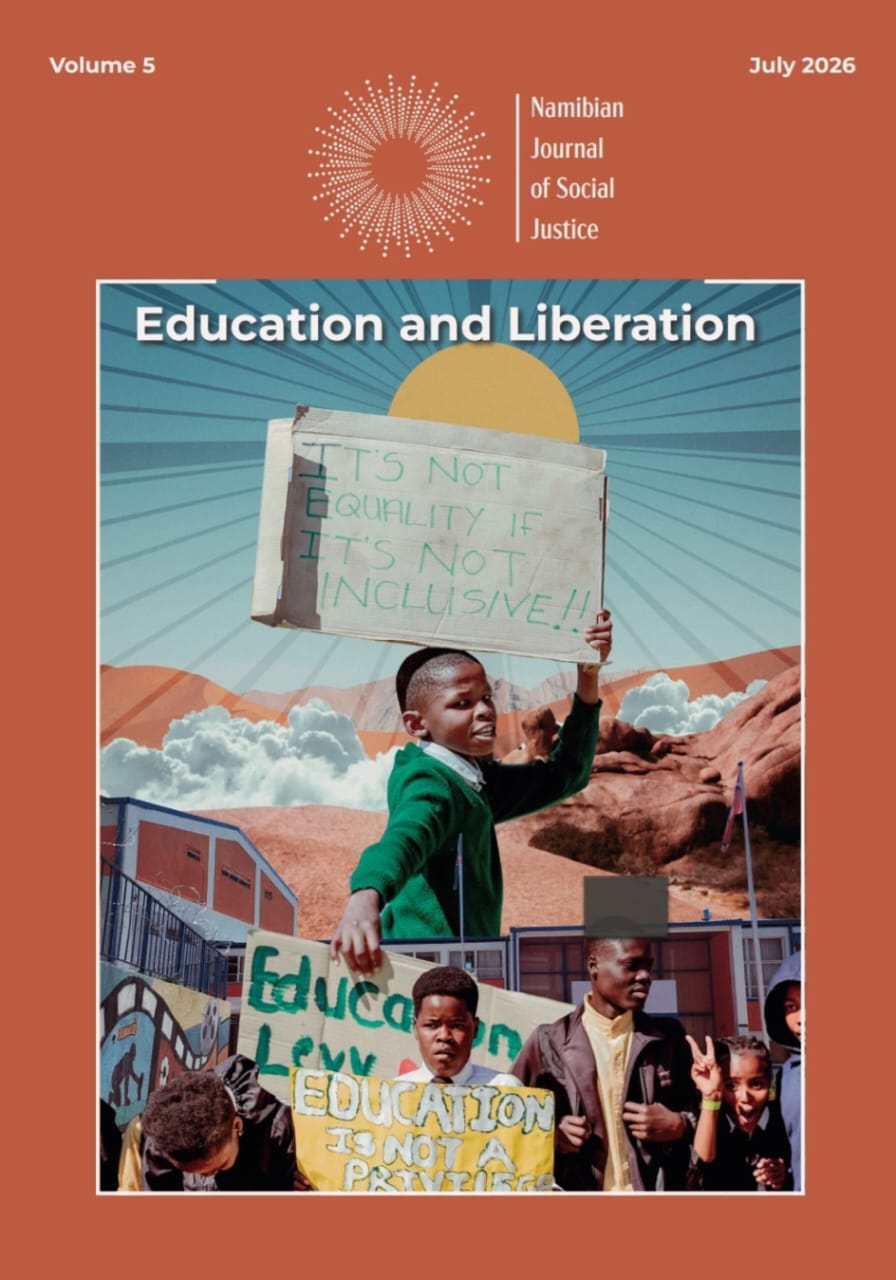
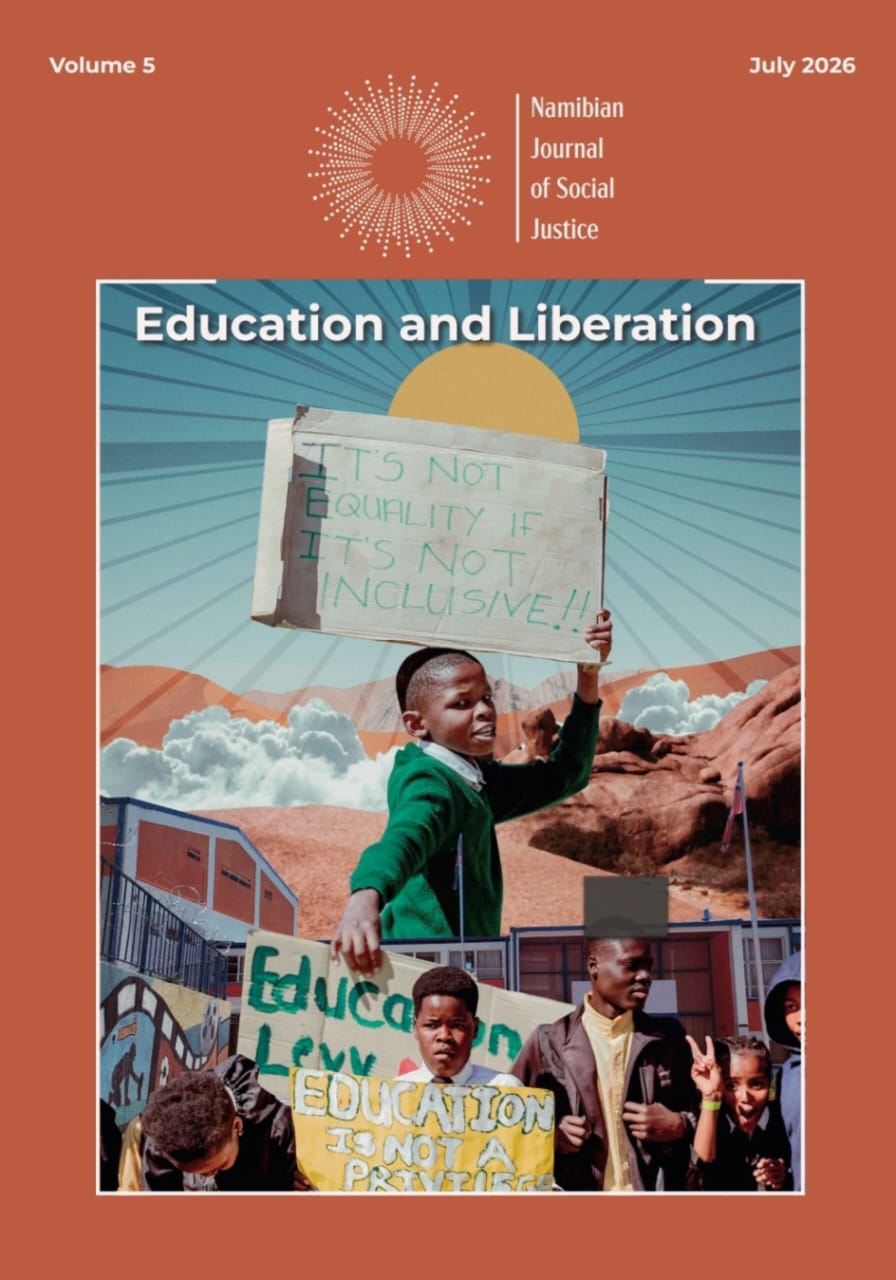
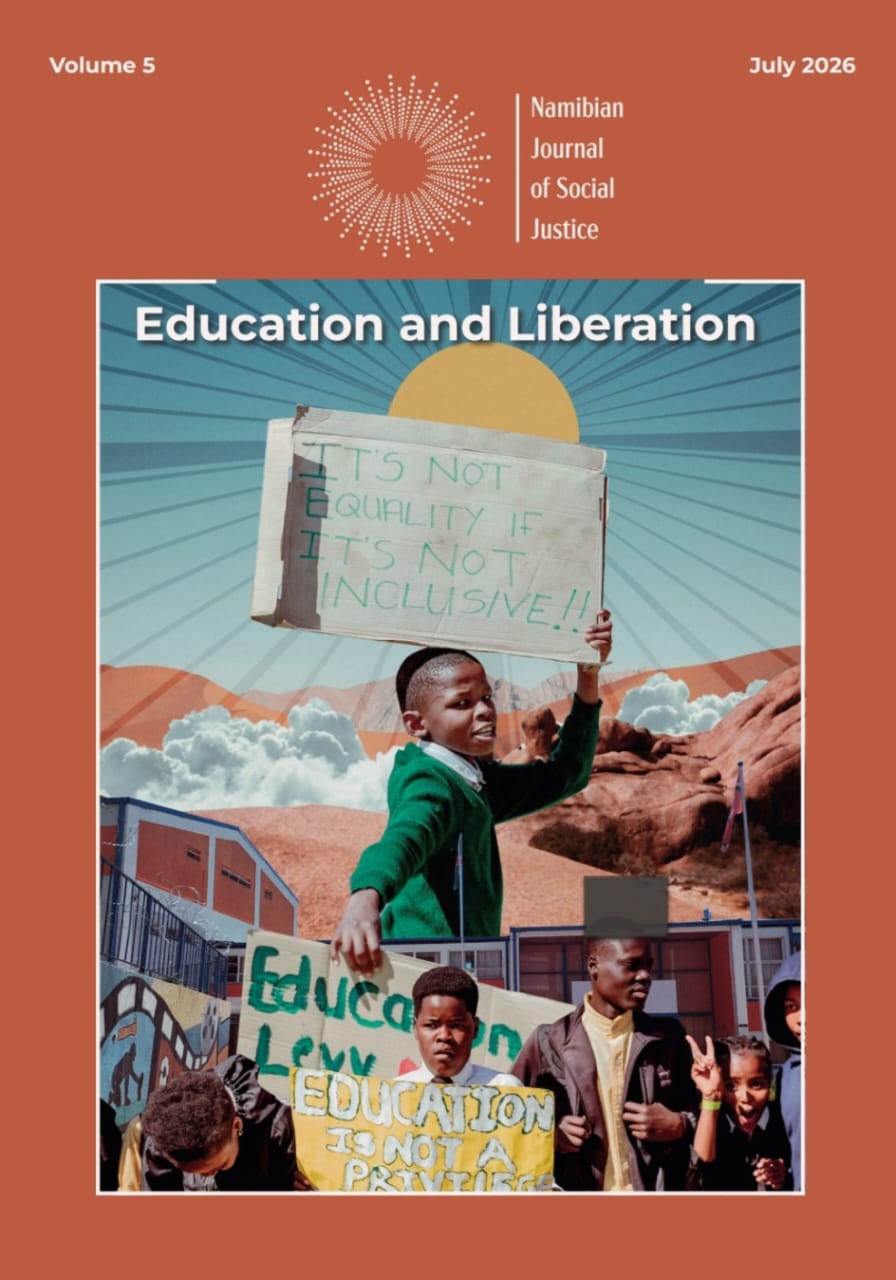
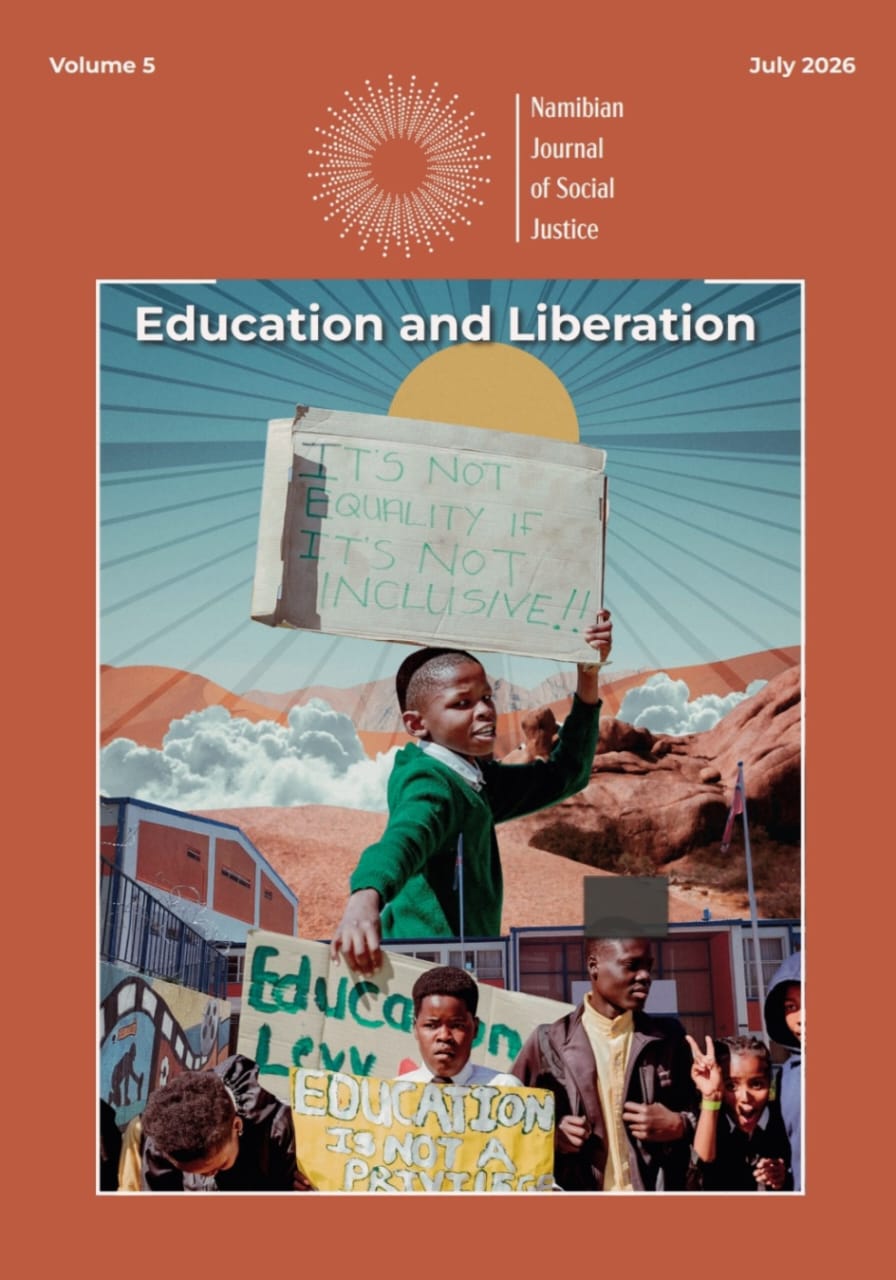
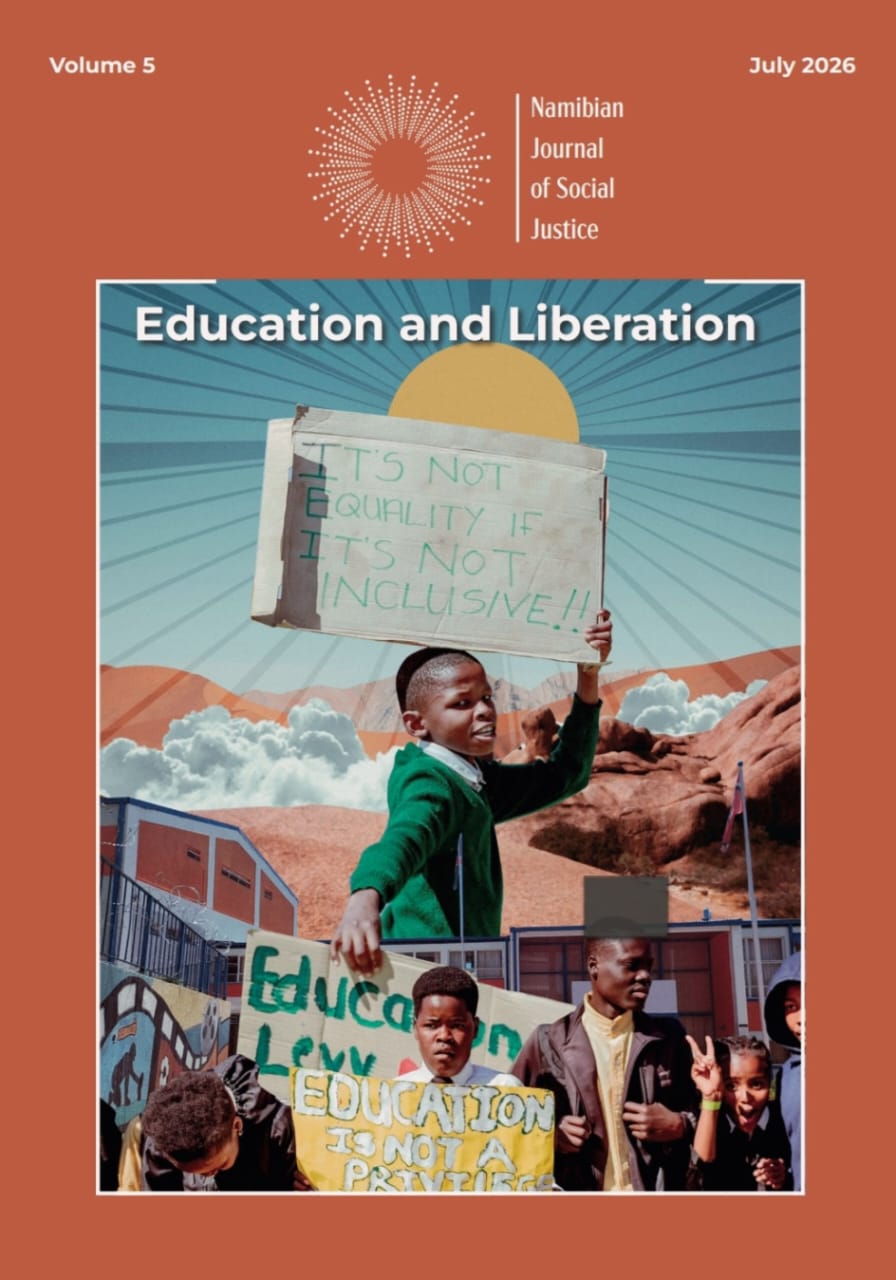
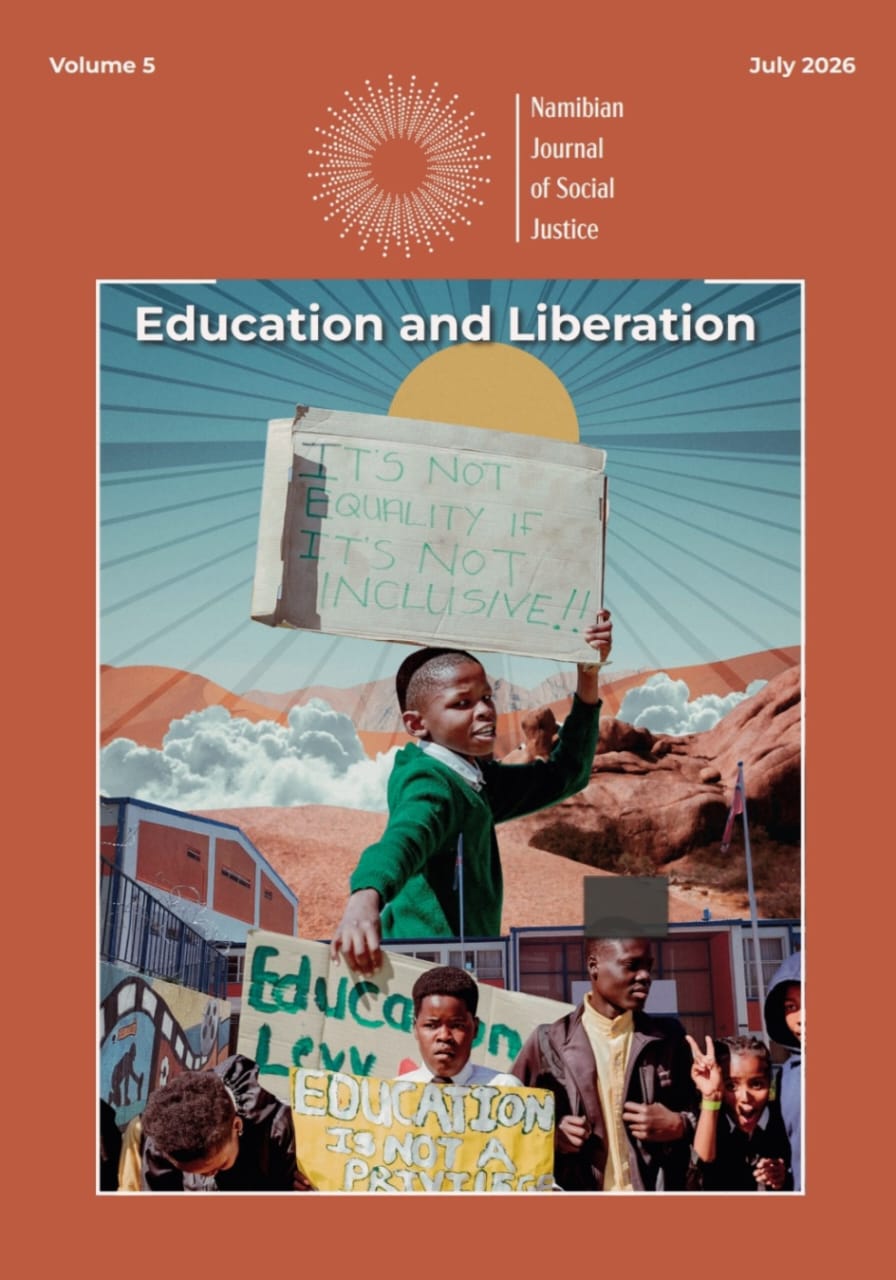
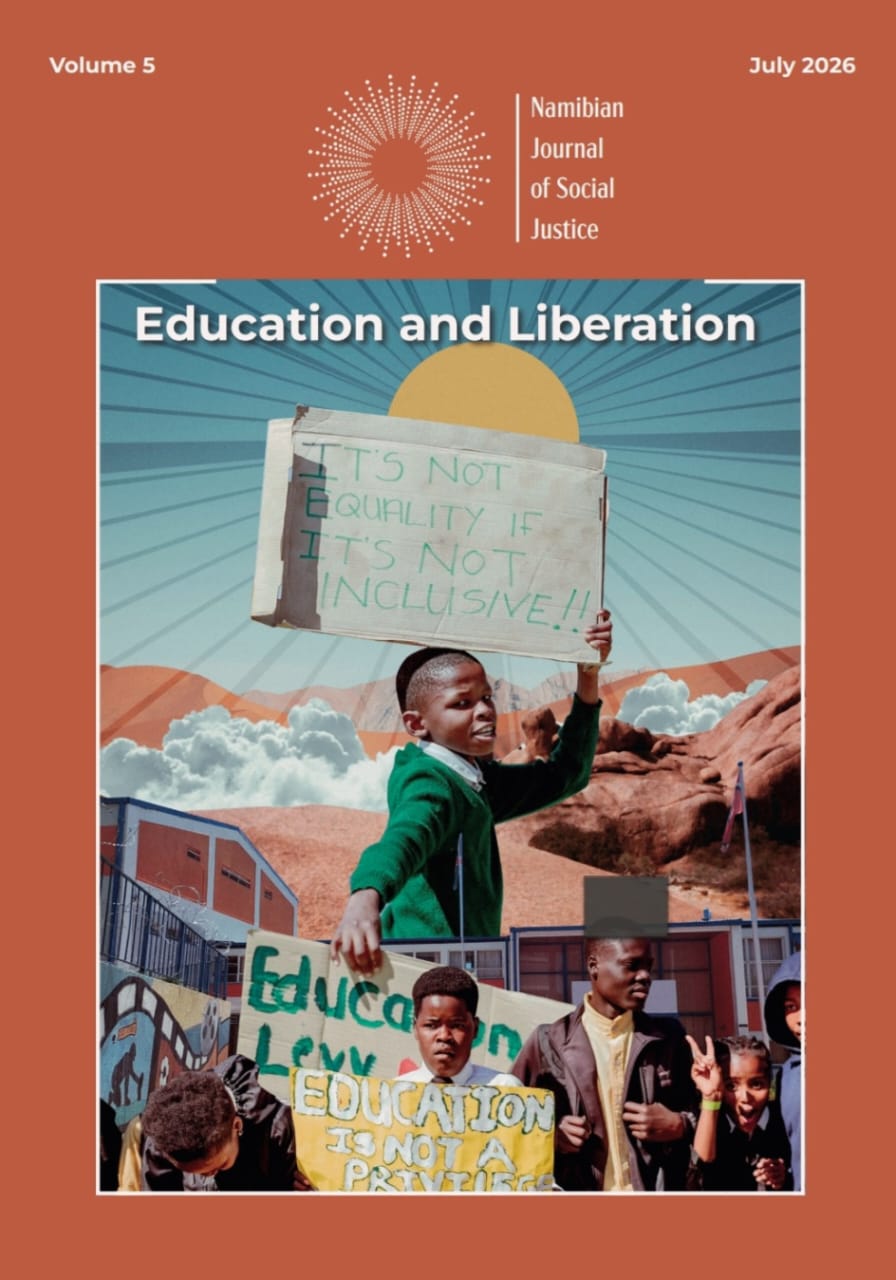
The theme of “education and liberation” in Volume 5 of Namibian Journal for Social Justice is not only urgent and timely, but also historically grounded: it is a play on the aspirations voiced during the liberation struggle by a slogan of Namibia’s student movement, “education for liberation”. Globally, and particularly in the Global South, education consistently functioned as a double-edged sword, being deployed as an instrument of colonial oppression, while simultaneously serving as a means of emancipation and resistance for the oppressed. Education offers a paradox: it can be a catalyst for liberation and serve as a transformative force for justice, dignity, and freedom, but it can also reproduce colonial hierarchies. Social justice in education demands adherence to some key social justice principles, namely access, equity, participation, diversity, and respect for human rights. Namibia’s educational policy frameworks all declare deep commitment to these principles. However, many of the articles featured in this edition lay bare the gaps between policy discourse and practice with the aims of stimulating discussion and engendering a review of current practices. Across the globe, movements for decolonising education seek to challenge Eurocentric curricula, validate indigenous knowledge, and cultivate critical pedagogies (Smith,2021). In this sense, education is becoming a praxis of liberation—an ongoing struggle to decolonise and transform oppressive structures and create spaces for dignity, justice, and freedom. By weaving together case studies, theoretical reflections, and opinion pieces, this volume positions education as a transformative force. It calls on, practitioners, communities and policymakers to recognise that education can oppress or liberate. Together, these contributions frame education in the context of power, identity, and justice, and not merely as the transmission of knowledge. This implies that liberation through education is lived experience in classrooms, communities, and historical memory.
Volume 5: Education (2026)
Issue Contents

Articles & Documents

8 items
Beyond Colonialities: Leveraging Ubuntu for Transformative Higher Education in Namibia
Article 01 05 August 2026

Beyond Colonialities: Leveraging Ubuntu for Transformative Higher Education in Namibia

This article examines how the Southern African philosophy of Ubuntu, understood as part of a broader family of African relational-humanist philosophies, when framed through the lens of deep decoloniality, can serve as a transformative ethos for higher education in Namibia. While much of the decolonial turn has focused on dismantling Eurocentric curricula and hegemonic epistemologies, this study argues that transforma...

Education for All? Unpacking Social Justice and Grassroots Policy Implementation: A Case Study of the Otjituuo Settlement
Article 02 05 August 2026

Education for All? Unpacking Social Justice and Grassroots Policy Implementation: A Case Study of the Otjituuo Settlement

Namibia’s post-independence educational landscape is defined by the aspirational brief, Toward Education for All: A Development Brief for Education, Culture and Training (Ministry of Education and Culture [MEC], 1993), and later formalised by the Basic Education Act (3 of 2020), which mandates free and compulsory basic education to ensure equitable, inclusive, and quality lifelong learning (Government of the Republic...

Social Justice and Education in Namibia:  From Theory to Practice
Article 03 05 August 2026

Social Justice and Education in Namibia: From Theory to Practice

This article applies a social justice lens to analyse Namibia’s educational evolution from colonialism until the present. It identifies the key historical and structural factors that continue to confront postcolonial educational reform. The article traces the historical, structural and ideational factors that influenced Namibian educational philosophical and policy discourse. Through empirical data obtained from se...

Epistemic Destruction and Indigenous Knowledge Loss During the  OvaHerero/Nama Genocide (1904–1908): A Case study of OvaHerero Epistemicide
Article 04 05 August 2026

Epistemic Destruction and Indigenous Knowledge Loss During the OvaHerero/Nama Genocide (1904–1908): A Case study of OvaHerero Epistemicide

Epistemicide and cultural erasure remain under-researched and unacknowledged. There is a lack of scholarship on the topic, and it remains a difficult yet necessary task to reconstruct the past using multiple research methods, particularly in the absence of comprehensive written records that reflect the views of indigenous populations. Genocide encompasses more than just physical harm and loss of land, animals, and li...

Challenges that Outsmart the Transformation Agenda: An Analysis of Why Certain Challenges Persist in the Namibian Education  System Despite Several Reforms
Article 05 04 August 2026

Challenges that Outsmart the Transformation Agenda: An Analysis of Why Certain Challenges Persist in the Namibian Education System Despite Several Reforms

With an analytical framework constructed from Bhaskar’s critical realist theory of ontology, the study adopted the qualitative research methodology to investigate barriers that impede the implementation of Namibia’s transformation agenda in education, and the underlying causal factors responsible for these barriers, as well as the possible way forward to ensure successful implementation of the transformation agenda....

The South African Committee for Higher Education (SACHED) and Regional Liberation Networks (1959–1994)
Article 06 04 August 2026

The South African Committee for Higher Education (SACHED) and Regional Liberation Networks (1959–1994)

This case study illustrates how the South African Committee for Higher Education (SACHED), which was the largest and most prolific anti-apartheid educational organisation, implemented critical pedagogy through its Bursary Project, Khanya College, the magazine Upbeat, and the Labour and Community Resources Project (LACOM). These interventions reflected their ethos: expanding access to quality education and advancing e...

Historical background: The formation of NANSO
Article 07 04 August 2026

Historical background: The formation of NANSO

Founded on 2 June 1984 at Döbra, NANSO arose in response to the fragmented and racially segregated education system imposed by apartheid. Students across Namibia were subjected to Bantu Education which was characterised by inferior curricula, overcrowded classrooms, and racial discrimination. NANSO provided a unified platform that cut across regional and institutional boundaries, offering students a national voice in...

Education for Liberation: An Overview
Article 08 30 July 2026

Education for Liberation: An Overview

Liberation can be defined as an emancipatory project and the actions taken to free individuals or groups from control by and dependence on external entities. Such control and dependence can manifest as restraint, confinement, restriction, repression, slavery, or domination. Liberation can occur through the passive attainment of legal rights or active and deliberative acts towards self-empowerment (Susen, 2015). Vario...